L-Carnitine is among the topmost talked-about supplements in the health and nutrition industry, but what is it, and why should it be an integral part of your life? In case you wish to sustain your energy throughout the day, have better workouts, or just want to feel good, then getting to know L-Carnitine and its functions in human metabolism would be the right step towards your health. The presence of this natural compound is of utmost importance for energy generation and has attracted the attention of not only fitness lovers and sportspeople but also health-minded people. So, how can your meals supply you with L-Carnitine and do you really get any benefits from it? Let us take you through the exploration of the foods rich in carnitine, their support for your body, and the reasons for including them in your daily nutrition plan.
Introduction to L-Carnitine

What is L-Carnitine?
L-Carnitine is a compound that occurs naturally and is produced from amino acids which has a central role in energy production in the body. The transportation of long-chain fatty acids into the mitochondria, where they are oxidized for energy production, is the main function of this compound. This metabolic activity is crucial particularly for organs like the heart and muscles which are in constant need of energy.
L-Carnitine is made by the body mostly in the liver and kidneys where the amino acids lysine and methionine are used. Even so, it is also possible to get it from food sources. The main dietary sources of L-Carnitine are red meat, fish, poultry, and dairy products. In case of some people having specific dietary restriction, supplementation might be an option to fulfill the body’s requirement.
L-Carnitine is one of the key factors for the cellular energy optimum and it has been associated with several health benefits such as increase in athletic performance, metabolic health support, and quicker recovery. It might even be the case that such advantages are available to people with special medical conditions, especially those related to the heart and liver. However, while L-Carnitine is indispensable, a balanced diet is still the most powerful way to support overall health.
The Role of Carnitine in the Body
Carnitine is a compound that has great significance for various biological processes, its main and foremost being the transportation of fatty acids as well as energy metabolism. Carnitine’s major role is in allowing the transfer of long-chain fatty acids into the mitochondria, where they are then oxidized for energy. Furthermore, it helps detoxify the cells by eliminating the harmful substances that are detrimental to the cell’s overall health and function.
Five Major Roles and Functions of Carnitine
1. Fatty Acid Transport
Carnitine is a must-have for the transport of the long-chain fatty acids into the mitochondria so they can undergo beta-oxidation. This is the very basic and most important source of energy for the body and especially for the muscles and organs during physical activity.
2. Energy Production
Carnitine promotes the fatty acid oxidation which results in the production of ATP, the cell’s energy currency, in the case of energy-demanding tissues like muscles and the heart.
3. Toxin Removal
Carnitine is involved in the process of detoxifying mitochondria by first removing acyl groups and then the other toxic by-products, thus enabling cells to function properly and preventing the occurrence of metabolic disorders.
4. Support for Heart Health
The heart’s energy needs during working are mainly provided by fatty acid oxidation. Carnitine is in the middle of this process and hence very important for the health of the cardiovascular system and supporting the proper functioning of the heart.
5. Exercise Performance and Recovery
Taking Carnitine has been proven to lessen muscle soreness, to prolong endurance, and to quicken recovery after vigorous physical activities by the proper use of energy and the reduction of oxidative stress.
Carnitine’s roles as described above illustrate its very importance in diverse bodily activities, thus making it a requisite for overall well-being as well as for different metabolic needs specifically.
Understanding Carnitine Deficiency
Carnitine deficiency happens when the level of carnitine in the body is not enough to satisfy metabolic needs. This deficiency can occur as a primary one due to genetic disorder that disrupts carnitine transport, or as a secondary one coming from problems such as malnutrition, certain medical conditions, or the intake of particular medications. In both types, the body’s cells do not produce enough energy affecting mainly those organs that have very high energy requirements such as the heart, muscles, and liver.
⚠️ Common Signs and Symptoms
- Lack of strength in muscles
- Persistent weariness and fatigue
- Low levels of sugar in the blood
- Heart or liver complications in extreme cases
The signs and symptoms of carnitine deficiency depend on the gravity of the case and the underlying reason. Primary carnitine deficiency can bring symptoms in infancy while secondary deficiency can occur at all ages according to the factors that are causing it. Therefore, understanding the cause is necessary for the proper treatment.
Normally, treatment consists of carnitine supplementation along with the therapy of the condition that is causing the deficiency. Changes in diet or use of carnitine supplements can aid in bringing back the body’s optimal levels of carnitine. The timely diagnosis and correct management are of utmost importance as they can prevent complications and support the overall health of the individual. If you think you might be suffering from carnitine deficiency, it is best to contact a health professional for needed tests and advice.
Food Sources Rich in L-Carnitine

Animal-Based Sources of L-Carnitine
Among the sources of L-carnitine, the animal-based foods come at the top of the list making them a necessary nutrient for those who want to keep the levels of this compound in the body healthy or who want to restore it. Red meat is one of the major sources for L-carnitine, and beef is the strongest among them. For instance, 4 ounces of roasted beef has about 56-162 mg of L-carnitine. Meanwhile, lamb and pork are good sources as well, giving the body plenty to satisfy its needs.
Top Animal-Based L-Carnitine Sources
- Red Meat: Beef leads with 56-162 mg per 4 oz serving, followed by lamb and pork
- Poultry: Chicken and turkey contain moderate amounts, ideal for leaner protein options
- Fish and Shellfish: Cod and tuna provide L-carnitine plus omega-3 fatty acids
- Dairy Products: Milk and cheese offer lower amounts compared to meat
- Eggs: Contain minimal L-carnitine content
Chicken and turkey are examples of poultry that contain L-carnitine in small but still significant amounts. They may not be as richly supplied as red meat but still can be used as a good alternative, especially for the ones who are looking for leaner protein. Fish and shellfish are also not to be ignored; cod and tuna are the ones that are most often considered for the extra dose of L-carnitine along with the omega-3 fatty acids thus, making them an excellent choice for the overall health of the diet.
Thus, eating a variety of animal-based foods can be, besides maintaining, also a sure method of getting adequate amounts of L-carnitine for energy production and muscle function, and to supporting overall metabolic health. It is always wise to speak to a doctor when changing your diet, particularly if you have a health condition or any other restrictions on your diet.
Vegetarian and Vegan Sources of Carnitine
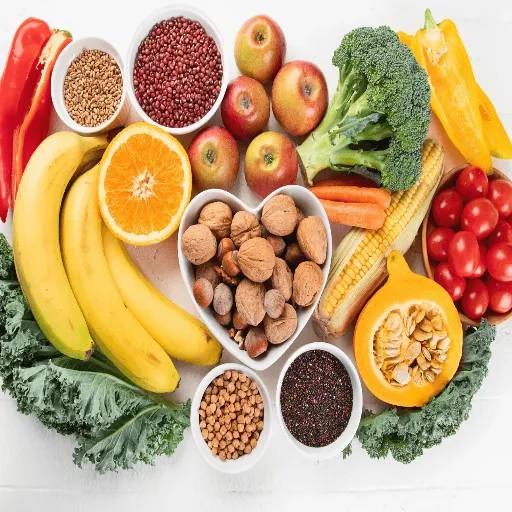
It should come as no surprise that L-carnitine is mainly present in foods derived from animals. However, vegetarians and vegans can get it from non-animal sources or by supporting the body’s ability to produce it naturally. The body generates L-carnitine by combining the two essential amino acids, lysine and methionine, and using other cofactors, e.g., vitamin C, iron, and specific B vitamins (primarily B6 and B3). Thus, diet that is well-planned and contains sufficient amounts of these nutrients is one of the means through which L-carnitine production can be sustained.
Lysine-Rich Plant Foods
- Lentils and chickpeas
- Tofu, tempeh, and edamame
- Soy-based products
Methionine-Rich Plant Foods
- Quinoa and brown rice
- Oats
- Sunflower, sesame, and pumpkin seeds
Essential Cofactors
- Vitamin C: Citrus fruits, berries, leafy greens
- Iron: Lentils, spinach, fortified cereals
- B Vitamins: Nuts, avocados, whole grains
Moreover, vegans and vegetarians must make sure their vitamins and minerals intake is appropriate for the biosynthesis of L-carnitine to be efficient. Providing a range of these plant foods guarantees that the body will have the required materials to produce L-carnitine easily.
💡 Note for Vegans and Vegetarians: For those who have higher energy needs or certain health disorders that might affect their body’s natural production of L-carnitine, then the synthetic or non-animal-derived vegan L-carnitine supplements available in the market may be a good addition to one’s diet.
Comparative Analysis of Carnitine Content in Foods
An analysis that compares the carnitine content of various food groups shows that red meats (beef and lamb in particular) are the most abundant sources, followed by milk, fish, and chicken, while all the plant foods have rather low amounts of carnitine.
Benefits of L-Carnitine

How L-Carnitine Supports Cardiovascular Health
L-Carnitine is an essential component for the enhancement of cardiovascular health through its action of transporting fatty acids into the mitochondria to be converted to energy. This mechanism of action is responsible for the reduction of the lipid deposits in the blood vessels, which may diminish the risk of atherosclerosis. There are studies that show that supplementation with L-Carnitine can increase the patient’s tolerable amount of exercise and make the symptoms of heart failure or coronary artery disease less pronounced.
❤️ Cardiovascular Benefits at a Glance
- Reduces lipid deposits in blood vessels
- Diminishes risk of atherosclerosis
- Increases exercise tolerance
- Reduces symptoms of heart failure
- Acts as potent anti-inflammatory agent
- Decreases oxidative stress
- Reduces post-cardiac event mortality risk
Moreover, the research also indicates that L-Carnitine is a potent anti-inflammatory agent which can reduce the inflammation markers associated with cardiovascular diseases. On the other hand, it also decreases the oxidative stress, a cause of heart and blood vessels’ destruction. The clinical researches have shown that L-Carnitine supplementation has post-cardiac event mortality and arrhythmias risk reduction. The ability to alter fatty acids, better blood circulation, and mitochondrial support make L-Carnitine the most appealing candidate for those who want to keep heart health at its best.
Taking L-Carnitine with a well-rounded meal and working out consistently may further sharpen its potency while taking care of critical heart function and prevention strategies.
Effects of L-Carnitine on Exercise Performance
There are a number of ways in which L-Carnitine can lead to better performance during workouts, and in general, it is a supplement that has the ability to affect both endurance and recovery of athletes. The reasons for this are:
🔥 Enhanced Fat Oxidation
L-Carnitine helps in the transport of long-chain fat acids into mitochondria where they are oxidized and used as energy during the activity. The studies conducted on this topic suggest that allowing the body to use fat as a source of energy can lead to increased endurance since it is less glycogen dependent and fat utilization is improved.
💪 Decreased Muscle Soreness
There are studies that found out that L-Carnitine intake has been correlated with significant reduction in muscle damage and stress caused by oxidative process in high-intensity workouts leading to faster recovery and less soreness through the post-exercise period.
🩸 Increased Blood Flow and Oxygen Delivery
L-Carnitine has been shown to favorably affect the production of nitric oxide which is the major facilitator of blood flow to the muscles during the workout. The increased blood flow not only delivers oxygen and nutrients to the working muscles but also enhances performance overall.
⚡ Fatigue Onset Delayed
L-Carnitine usage can turn out to be a fatigue-delaying factor during both aerobic and anaerobic activities by the ways of making the energy metabolism more efficient and cutting down lactic acid build-up, thus allowing the athletes to train for a longer period of time and more intensely.
🔄 Reduced Recovery Time
The anti-oxidative and anti-inflammatory properties of L-Carnitine are a major contributor to faster recoveries between training sessions which in turn lessens the burden of maintaining a consistent workout schedule for athletes.
These effects together portray L-Carnitine as a prominent and helpful supplement for not just athletes but everyone who is physically active and wants to get the most out of their performance and recovery.
Potential Role in Weight Management
L-Carnitine has been a substance of great interest due to its ability to potentially support weight control, mostly through fat burning and energy release. The five most important ways by which L-Carnitine could back up weight control are:
Enhances Fat Oxidation
Facilitates transport of fatty acids into mitochondria for energy conversion
Supports Energy Levels
Maintains energy through fat-to-energy conversion for more active lifestyles
Improves Exercise Performance
Prolongs performance and lessens tiredness for extended calorie burning
Reduces Fat Accumulation
Prevents fatty tissue deposit, especially in the liver
Preserves Lean Muscle Mass
Protects muscle during weight loss for better metabolism
These benefits illustrate the complex function of L-Carnitine in weight management, supporting its use as a supplement for those who want to improve their metabolism and physical fitness goals.
L-Carnitine Supplementation
When to Consider L-Carnitine Supplements
One great opportunity to think about L-Carnitine supplements is when you want to enhance the energy production and lose weight at the same time. If asked personally, I would choose to use L-Carnitine in case I was suffering from a lot of fatigue or even not getting a quick recovery from workouts because it speeds your body’s process of turning fatty acids into energy. It is especially effective for people with active lifestyles or for sportspersons aiming to increase their endurance and performance in stamina-related activities.
Key Situations to Consider Supplementation
🏃 Active Lifestyle
Athletes and fitness enthusiasts seeking improved endurance and performance
🥗 Dietary Restrictions
Vegetarians or vegans lacking sufficient dietary sources of L-Carnitine
😴 Low Energy Levels
Experiencing persistent fatigue or slow recovery from workouts
🎯 Body Composition Goals
Maintaining muscle mass during weight loss periods
Another condition where I would opt for L-Carnitine supplement would be my diet which does not contain sufficient sources of this nutrient such as red meat or dairy products. For people on vegetarian or vegan diets, taking L-Carnitine is a good way to compensate for dietary gaps and make sure the body has an adequate supply for optimum metabolic activities. This is crucial as low levels may slow down fat burning and energy production.
Moreover, I would contemplate the use of L-Carnitine supplements if my focus was on long-term body composition goals like maintaining muscle mass during periods of weight loss. It might be a good idea to talk with the healthcare provider if you think that your current energy levels or fitness results could be improved with supplementation. Taking L-Carnitine at the proper time and proper amount, according to your individual needs, can be a tactical move to your health and wellness plan.
Recommended Dosage and Forms of Supplementation
The dosage of L-Carnitine supplement depends on the form and purpose. For general health and fat metabolism, dosages like 500 mg to 2,000 mg per day are common. Daily intakes of 2,000 to 3,000 mg of L-Carnitine have been found in some studies to be effective in improving exercise performance and recovery. If you take the total daily dose in smaller portions throughout the day, it will be better absorbed and there will be fewer side effects.
📋 Dosage Guidelines
- General Health & Fat Metabolism: 500-2,000 mg per day
- Exercise Performance & Recovery: 2,000-3,000 mg per day
- Best Practice: Divide total daily dose into smaller portions throughout the day
L-Carnitine supplements taken with meals or in combination with carbohydrates for better absorption give the best results because the body can more easily take them in and utilize them. When you choose a supplement form, think of your health and fitness goals first.
⚠️ Important: A health professional should always be consulted to decide the correct dosage, and to cater individual health factors before starting a supplement regime.
Potential Side Effects and Precautions
L-Carnitine is commonly regarded as a safe supplement for most people; however, it is still essential to know its potential side effects and to be cautious. Mild side effects might be reported by some people, such as nausea, stomach discomfort, and diarrhea, especially when the addition of L-Carnitine supplements is first done. In very rare cases, some individuals notice that their breath or sweat gives off a “fishy” smell which is a result of the metabolic waste from L-Carnitine.
⚠️ Safety Considerations
Common Mild Side Effects
- Nausea and stomach discomfort
- Diarrhea
- “Fishy” smell in breath or sweat (rare)
Who Should Consult a Doctor First
- Individuals with heart diseases
- People with kidney problems
- Those with hormonal disorders
- Pregnant and nursing women
Research Consideration: TMAO
Some studies raise concerns about high levels of L-Carnitine from supplements possibly leading to increased TMAO (trimethylamine-N-oxide) production, which has been associated with higher risk of heart diseases. While more research is needed, this highlights the importance of moderation.
The risk of experiencing side effects is higher if the recommended dosage is exceeded, thus it is important to follow the advice of healthcare professionals. Besides, individuals with certain health conditions like heart diseases, kidney problems, or hormonal disorders should always get a confirmatory consultation from a physician before they start taking L-Carnitine since it may alter the nature of their conditions or the efficacy of their medications.
🛑 Critical Reminder: Professional advice becomes vital for safe use. Always consult with a healthcare provider before beginning any supplementation regimen.
Conclusion and Recommendations

Incorporating L-Carnitine into Your Diet
The incorporation of L-Carnitine into your daily regimen can be made easy with the proper method. One of the primary ways is through food because L-Carnitine is present in animal-based products like red meat, chicken, fish, and also in milk and other dairy products. For people who are on a plant-based diet or are needing extra help besides dietary intake, L-Carnitine is available in the form of supplements in liquid, capsule, or powdered form that are easily accessible.
💡 Practical Implementation Tips
Dietary Sources
Include red meat, poultry, fish, and dairy products regularly
Supplementation
Take with meals or carbohydrates for optimal absorption
Timing
Divide daily doses into smaller portions throughout the day
Synergism
Combine with proper diet, exercise, and healthy lifestyle
It has been shown in research that athletes and those with health goals might benefit from L-Carnitine supplementation. For instance, the absorption and potency of L-Carnitine can be maximized if taken with carbohydrates and meals hence, the individual can get more energy and faster recovery after workouts. Furthermore, studies suggest L-Carnitine is linked to fatigue control and increased muscle viability which is why, fitness practitioners prefer it the most.
Start off the L-Carnitine implementation with a daily dose as suggested on the product or get a doctor’s advice to customize the dosage concerning your individual needs. The synergism of L-Carnitine with a proper diet, exercise, and a healthy lifestyle can lead to the realization of its potential benefits while supporting your general health.
Consulting with Healthcare Professionals
It is very important to check-in with a healthcare professional, like a doctor, nutritionist, or registered dietitian, before you start taking any supplement, including L-Carnitine, as part of your daily intake. Healthcare pros will be the ones giving you the most personalized advice depending on your medical history, the current state of your health, and your particular wellness goals. Given that different people may react differently to supplements and this can depend on their age, gender, along with the medications they are taking, getting professional advice is the best way to ensure that when using L-Carnitine, both safety and effectiveness will be considerations.
🏥 Why Professional Guidance Matters
- Personalized advice based on medical history and health status
- Access to recent studies and reliable clinical data
- Proper dosage recommendations for individual needs
- Identification of potential contraindications
- Monitoring for long-term effects and safety
Moreover, the latest research and certified sources can be a remarkably helpful way to comprehend the interaction of L-Carnitine and the human body clearly. Oftentimes, healthcare providers have access to studies that are very recent and reliable clinical data that reveal even the less talked about areas like long-term effects or specific contraindications.
In addition, even though supplements are safe, their excessive or incorrect use can lead to health problems. A consultation with a knowledgeable healthcare professional lessens such risks since they are the ones who can recommend exact dosages and periods of supplementation. Therefore, if people combine expert guidance with the desire to keep informed, they can reap the benefits of L-Carnitine while avoiding dangers, thus leading a sustainable and health-centered way to achieve their fitness or wellness goals.
🎯 Key Takeaways
Essential for Energy
Critical for fatty acid metabolism
Best Sources
Red meat, poultry, fish, dairy
Multiple Benefits
Heart health, exercise, weight management
Safe Usage
Consult professionals before supplementing
References
- •
Linus Pauling Institute, Oregon State University: L-Carnitine – Highlights meat, poultry, fish, and dairy as the richest sources of L-carnitine. - •
University of Rochester Medical Center: Carnitine Deficiency– Discusses carnitine-rich foods like red meat, chicken, and fish. - •
National Institutes of Health (NIH): Carnitine – Health Professional Fact Sheet – Lists red meat, fish, poultry, and eggs as primary sources of carnitine. - •
PubMed Central (PMC): L-Carnitine and Cardiovascular Disease – Details dietary sources of L-carnitine, emphasizing red meat and dairy. - •
PubMed Central (PMC): Carnitine Overview – Provides data on carnitine content in meat, milk, and dairy products. - •
Click here to read more.
Frequently Asked Questions (FAQ)
❓ What are carnitine rich foods?
Foods that are rich in carnitine are those that have high levels of carnitine, a nutrient that is vital for energy metabolism. The major sources are meats, dairy products, and some fish. By eating these foods, the body’s carnitine levels could be raised in a non-artificial way.
❓ How does dietary supplementation of l-carnitine affect carnitine levels?
L-carnitine supplementation can be a great way to increase the total carnitine levels in the body. Some studies indicate that l-carnitine supplementation leads to a rise in the levels of free carnitine and l-carnitine, especially among people having either a deficiency or a higher requirement of this amino acid.
❓ What is the recommended daily intake of carnitine?
The l-carnitine requirement can differ from person to person depending on their diet and health status. Generally speaking, the average adult could need around 20-200 mg of carnitine daily depending on their lifestyle (active or sedentary) and how well their metabolism works (good or poor).
❓ Can l-carnitine supplementation help with weight loss?
Some studies indicate that l-carnitine could have a positive effect on weight loss through fat oxidation and energy expenditure. Nevertheless, individual differences in effectiveness and the necessity of combining the said strategy with a healthy lifestyle remain valid for optimal results.
❓ What foods are the best sources of dietary carnitine?
Red meat, poultry, and fish are the best dietary sources of l-carnitine. To a lesser degree, dairy products, especially some aged cheeses, are sources of l-carnitine as well. Vegetarians may have lower levels of l-carnitine, which is due to the fact that fruits and vegetables (the main components of their diet) are very low in l-carnitine.
❓ How does l-carnitine function in the body?
L-carnitine is a type of amino acid that is absolutely necessary for the movement of fatty acids into the mitochondria, which are the energy-producing parts of cells. This process is very important for energy metabolism to occur, especially during the performance of physical activities.
❓ What are the potential benefits of carnitine supplementation?
Potential benefits of carnitine supplementation include improving exercise performance, accelerating post-exercise recovery, and improving cardiovascular health. A number of studies and medical reviews have pointed out that l-carnitine may be useful for patients with certain disorders such as cardiovascular diseases.
❓ Are there any risks associated with taking l-carnitine supplements?
Even though l-carnitine is usually deemed safe for the majority of people, giving it in large amounts can result in the appearance of side effects such as upset stomach. It is always a good idea to consult a doctor before starting any new dietary supplements, particularly if one suffers from existing health problems.