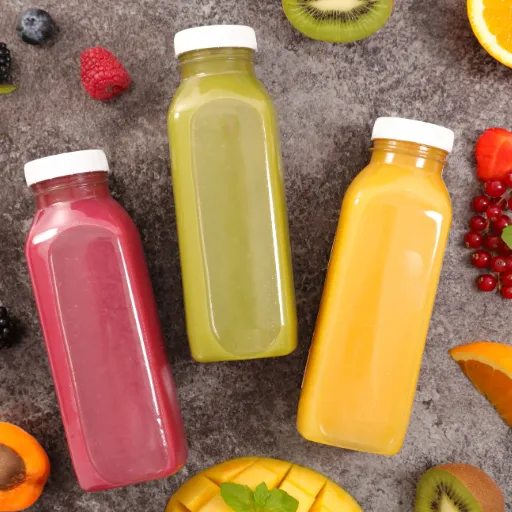
High-Pressure Processing—or HPP—has changed the way the world thinks about cold-pressed juices by providing a solution that maximizes nutrition, taste and freshness without any need for chemical preservation or heat treatment. With consumers’ choices shifting toward clean-label products that offer both quality and safety, HPP juice represents a bold step toward innovative health solutions. This comprehensive guide explores HPP’s major role in reshaping the beverage sector and discusses how it benefits both manufacturers and consumers, laying the foundation for the future of cold-pressed juices.
Understanding HPP and Its Importance
What is High Pressure Processing (HPP)?
High-Pressure Processing (HPP) is an alternative to heat pasteurization characterized by the application of very high pressure levels to inactivate pathogens while preserving perishables. As opposed to the application of heat through traditional pasteurization methods, HPP preserves the natural taste, texture, and nutritional value of foods and beverages, making it one of the favored methods for creating high-quality fresh cold-pressed juices.
How HPP Works:
- Juice is sealed in its final packaging
- Placed in a high-pressure chamber filled with water
- Pressure is applied uniformly, affecting all sections of the product equally
- Kills harmful bacteria, viruses, and other microorganisms
- Preserves important nutrients and enzymes that are frequently heat-sensitive
The growing recognition of HPP in the beverage industry is essentially an attempt to strike a balance between safety and quality. Today, consumers are increasingly demanding products with clean ingredient lists, fresh flavors, and healthy components. The innovative technology of HPP has opened up avenues for juice producers to satisfy contemporary beverage preferences while maintaining the strictest food safety standards.
The Science Behind HPP Technology
HPP is a non-thermal process designed to extend food products’ shelf lives by using high hydrostatic pressure to destroy spoilage and pathogenic organisms. In this technology, food is placed in a bag, packed under vacuum, and positioned inside a chamber filled with water stretched under hydrostatic pressure. HPP counts as a superior alternative to traditional pasteurization since there is no heat involved to damage food’s nutrients, texture, and taste.
Bacterial Inactivation
Ruptures cellular structures to render organisms inactive
Enzyme Preservation
Maintains enzymatic activities beneficial to nutrition
Extended Shelf Life
Delays spoilage without compromising freshness
HPP technology works on the principle of disrupting bacterial and viral cellular structures to ensure preventive measures. The inactivation of spoilage microbes renders them inactive or inhibits their growth, thereby delaying spoilage and interfacing with enzymatic activities. HPP takes care of safety requirements without compromising the freshness, natural taste, and nutrition of the food, thus meeting the growing demand for healthful food with minimal processing.
Difference Between HPP Juice and Traditional Juices
Traditional juices need heat pasteurization to kill germs and pathogens that may lower shelf life. HPP juice uses high pressure to kill those germs instead, which proves better for preserving nutrients and extending shelf life.
Nutritional Benefits of HPP Juice
Preservation of Nutrients and Vitamins
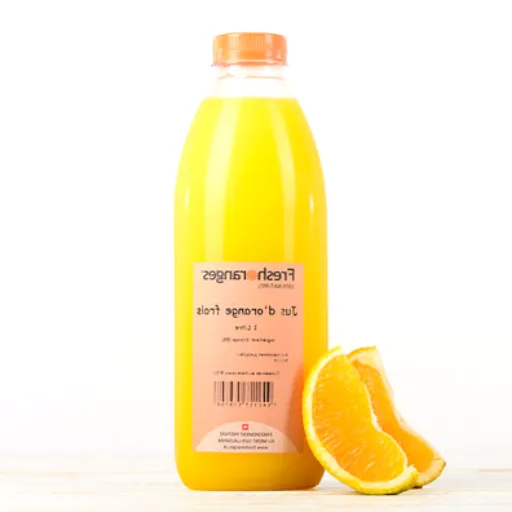
One of the most meaningful advantages of High Pressure Processing (HPP) for juice production is the retention of essential nutrients and vitamins. Contrary to heat pasteurization, HPP does not allow high temperatures to degrade heat-sensitive nutrients such as Vitamin C. It relies upon cold processing to maintain the native nutritional profile of the juice, ensuring that consumers enjoy a high-quality beverage with all the beneficial nutrients of the raw ingredients.
Key Statistic
HPP orange juice retains up to 98% of its original vitamin C level
Traditional heat pasteurized juice may lose as much as 50% of the same nutrient
Other antioxidants such as polyphenols and flavonoids are retained in much higher concentrations in HPP juices compared to heat pasteurized juices. These antioxidant compounds are crucial in fighting free radicals in our body, reducing inflammation, and supporting overall health. For health-conscious consumers, HPP-treated juices can be an excellent option.
Antioxidants in HPP Juice
Antioxidants occur naturally in various fruits and vegetables and play an important role in fighting oxidative stress in the body. The technology of High Pressure Processing (HPP) preserves these vital antioxidants and keeps them rich in the juice. Unlike traditional thermal pasteurization, which can degrade many nutrient components including antioxidants, HPP does not require heat, thus preventing structural degradation. Therefore, the end product contains greater health benefits with the original potency intact.
Powerful Antioxidants in HPP Juices:
- Vitamin C: Boosts immune system and supports collagen absorption (abundant in citrus juices)
- Polyphenols: Beneficial for heart health and reduced inflammation
- Anthocyanins: Found in berry juices, support cardiovascular health
- Flavonoids: Counter damaging free radicals and may lower risk of chronic diseases
According to research, these antioxidants not only counter damaging free radicals but might also lower the risk of chronic diseases such as cardiovascular conditions and some varieties of cancer. Since HPP causes minimal nutrient damage, it maximizes the impact of these antioxidants.
Health Benefits: What Research Says
One of the significant benefits this processing technique offers is the retention of essential nutrients like vitamins, enzymes, and antioxidants, which many pasteurization methods could not achieve due to the damaging effects of heat on these sensitive substances. Drinking juices processed by HPP has been shown to enhance immunity functions, skin health, and energy levels. These functions can ultimately contribute to better health outcomes within a balanced diet.
Research-Backed Health Benefits:
- Oxidative Stress Reduction: Antioxidants fight oxidative stress connected to chronic diseases such as heart disease and certain types of cancer
- Inflammation Management: Higher levels of antioxidants help reduce inflammation and maintain heart health
- Blood Glucose Control: Natural phytochemical-rich juices may help manage blood glucose levels, beneficial for Type 2 diabetes management
- Food Safety: Superior pathogen elimination while preserving flavor and nutrition
- Extended Freshness: Longer shelf life provides peace of mind and sustained nutritional value
Manufacturing Process of HPP Juice
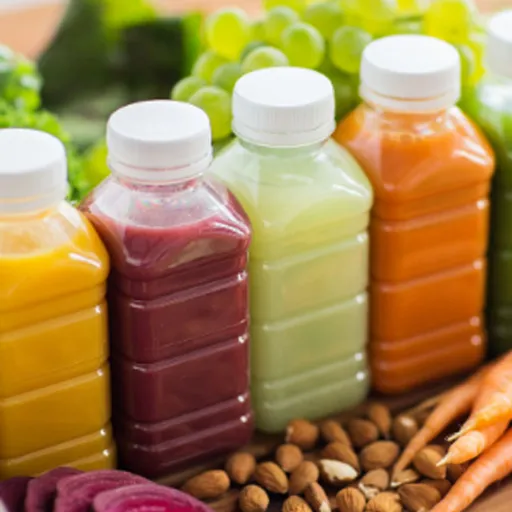
Step-by-Step Guide to HPP Juice Production
Selection and Preparation of Raw Ingredients
Choose high-quality, fresh fruits for the juicing process. These must be thoroughly washed and prepared to meet food safety standards and retain desired flavors.
Juice Extraction
Extract juice from prepared produce using specialized machinery that preserves natural flavors and nutrients while separating pulp and solids.
Blending and Formulation
Blend extracted juice with other natural flavors or nutrients to achieve the desired taste profile. This step is vital for maintaining consistency in the final product.
Bottling and Sealing
Bottle the juice to prevent oxidation and contamination. Bottles are sealed in an airtight state to keep all contaminants out.
High-Pressure Processing
Place bottled juices into a chamber filled with water. Apply extremely high pressure ranging from 300 to 600 megapascals (MPa) to inactivate or suppress harmful pathogens and spoilage microorganisms. This operation preserves the juice’s taste, natural color, and nutritional composition without the use of heat.
Quality Test and Packaging
Conduct quality analysis through inspection covering safety factors, nutritional content, and taste uniformity. Bottles are then labeled and prepared for distribution when approved.
Cold Pressing vs HPP: A Comparative Look
Cold pressing helps obtain juice without the use of heat, which helps conserve nutrients, but the juice does not have a long shelf life. In contrast, HPP extends the shelf life through high-pressure processing while nutrients are still being conserved.
Quality Control in HPP Juice Manufacturing
Quality control in high-pressure processing (HPP) juice production is a careful process to ensure that each bottle meets strict safety, quality, and taste protocols. Modern tools and methodologies operate at every step to monitor critical factors such as microbial load, pH balance, and retention of beneficial elements. Sensors and automated systems are key in keeping the production process consistent, preventing human error, and spotting any issues in their early stages.
Quality Control Essentials:
- ✓ Regular microbial testing to ensure pathogen elimination
- ✓ pH balance monitoring for optimal preservation
- ✓ Nutrient retention verification
- ✓ Automated sensors for consistent processing
- ✓ Comprehensive batch documentation and tracing
Documentation and tracing follow in the management of well-kept records pertaining to traits including batch numbers and operating procedures, allowing for quick rectification of quality issues. The advancement of technology suited to the manufacturing industry and the growing trend of converting industries into a data-based and digitalized environment leads manufacturers to optimize costs while maintaining the highest quality standards for HPP juice beverages.
Market Trends and Future Projections
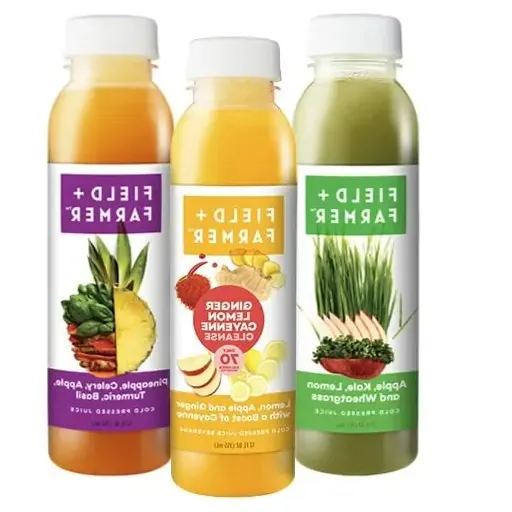
Current Market Landscape for HPP Products
Over the past several years, the high-pressure processing (HPP) market has seen tremendous growth, driven by consumer demand for products with the best taste, nutrients, and minimal processing. This is particularly true in the beverage sector, where health-conscious consumers are looking for products that differ from traditionally pasteurized options. HPP juices, smoothies, and functional drinks are leading the pack because they contain more vitamins, minerals, and natural flavors compared to their heat-treated counterparts.
Beverages
Juices, smoothies, and functional drinks leading market growth
Ready-to-Eat Meals
Extended shelf life with preserved quality and taste
Dips & Spreads
Natural preservation for guacamole and hummus products
Dairy Alternatives
Plant-based products with clean-label appeal
The HPP technique is crossing over into various food categories beyond beverages, including ready-to-eat meals, dips, dairy, and dairy-alternative products, as manufacturers look for ways to extend shelf life naturally while safeguarding product quality. Considering the worldwide focus on clean labels and transparency, HPP-processed products have been penetrating the market as top-notch, natural options.
Increasing urbanization and a rapidly growing working-age population have also played a role in the popularity of HPP products. Retail and e-commerce channels further improve access to them, supplying more options and innovative packaging that matches contemporary lifestyles. This represents a flourishing segment positioned for sustained growth into the future.
Consumer Demand and Preferences
HPP products are experiencing an increase in consumer demand because fresh, minimally processed products that retain their natural texture and appearance remain consumers’ preference. The technology fits that need, preserving food through water pressure at low temperature, thereby keeping preservatives out of the equation. This is especially appreciated by people who prioritize health and ethics—those who focus on clean labels, ingredient integrity, and transparency when shopping. The trend for plant-based, functional foods is further driving this demand, where HPP ensures food safety and long shelf life without damage to flavor.
Key Consumer Preferences Driving HPP Adoption:
- Clean Labels: Transparency in ingredients and processing methods
- Convenience: Ready-to-eat, grab-and-go products for busy lifestyles
- Nutritional Integrity: Preservation of vitamins, minerals, and natural flavors
- Sustainability: Reduced food waste through extended shelf life
- Authenticity: Products that taste and look fresh and natural
Another major shift in consumer purchase habits is that convenience plays a crucial role in making decisions. Modern lifestyles mean hectic schedules and a preference for ready-to-eat, grab-and-go products that are quick to prepare but made with no compromise on quality or flavor. In this aspect, HPP offers a premium solution for developing convenient best-in-class products—whether cold-pressed juice, guacamole, or deli meats—by delivering the convenience consumers desire while preserving nutritional content.
The rising popularity of meal delivery services and online grocery shopping further creates demand for HPP products to reach more households. In addition, today’s consumers prioritize sustainability, which extends to food and beverage choices. Environmentally responsible HPP furthers this by offering environmental benefits over traditional heat treatment, such as reducing food waste by extending shelf life and curbing product deterioration. Several HPP brands are embracing green messaging to attract environmentally conscious consumers who admire and support companies with sustainable policies.
Future Trends in HPP Juice Industry
The High-Pressure Processing (HPP) juice market is poised for substantial growth as consumers increasingly seek minimally processed, highly nutritious beverages. Key segments in this industry are responding to consumer needs for functional juices fortified with superfoods, probiotics, and adaptogens. These types of beverages suit the needs of consumers looking for health benefits beyond hydration and basic nourishment.
Emerging Innovations in HPP Juice
Enhanced with turmeric, ginger, açai
Gut health and digestive support
Stress relief and immune support
Targeted health benefits
Innovations are bringing about lower costs of production for HPP technology and equipment, aiding scale expansion among smaller manufacturers—positive signs foretelling continuous innovation in the industry. In future market sustainability, eco-conscious packaging becomes a key element. The market is shifting to biodegradable or fully recyclable materials to reduce overall packaging waste as supported by consumer preferences.
Increasingly, global food security is becoming a major issue. Being an alternative to preservatives and providing extended shelf life, high-pressure processing of juices provides a workable solution toward reducing food waste. Driven by rising consumer consciousness regarding health, sustainability, and quality, the HPP Juice Industry is positioned to command market growth and be at the forefront of innovation and environmental responsibility. These trends foresee a robust development path, blending technology, health considerations, and sustainability.
Popularity Among Health-Conscious Consumers
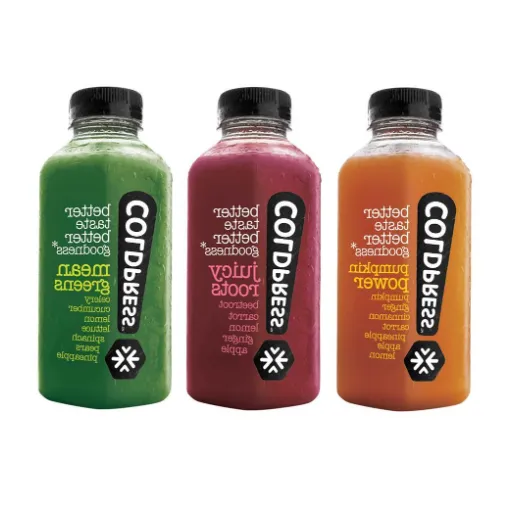
Why HPP Juice is Gaining Traction
HPP juice is becoming widely popular due to its exceptional health value. Compared to traditional pasteurization methods, it preserves the juice’s nutrients without the addition of preserving chemicals or extreme heat. High-temperature pasteurization degrades the nutritional value of juice. Instead, HPP uses adequate cold pressure to deactivate harmful pathogens while keeping beneficial vitamins, minerals, and enzymes in the final product. Therefore, HPP juice offers a superior option for those seeking fresh, raw beverages that embody pure, minimally-processed products.
Reasons for HPP Juice Popularity:
- ✓
Nutrient Preservation: Retains up to 98% of vitamins and minerals - ✓
Food Safety: Effective pathogen elimination without heat - ✓
Extended Shelf Life: Longer freshness reduces food waste - ✓
Clean Label: No preservatives or artificial additives needed - ✓
Fresh Taste: Maintains the authentic flavor of raw fruits
A significant reason for HPP juice’s growing popularity is the increasing importance given to food safety and extended shelf life. With modern-day consumers demanding not just healthy but also safe-to-consume food that lasts longer, HPP technology shines through in ensuring a longer shelf life without losing quality. This enables retailers to reduce food waste, whereas consumers may enjoy fresh juice for an extended period. The entire sequence aligns perfectly with sustainable consumption practices, as waste minimization is increasingly important in purchasing decisions.
Moreover, the emergence of wellness-focused lifestyles has amplified the demand for functional foods and beverages, a category to which HPP juice products conveniently belong. HPP juices can offer enhanced effects through the addition of superfoods like turmeric, ginger, or açai, which hold special appeal due to the extra health benefits they provide beyond mere hydration. These functional offerings, presented with compelling marketing strategies and packaging, demonstrate the meeting point between health, convenience, and environmental consciousness, establishing themselves as a choice that increasingly commands the attention of health-conscious consumers.
HPP Juice in Diets and Meal Plans
High Pressure Processing (HPP) juices are a versatile addition to numerous dietary plans catering to different nutritional needs. These juices are lauded for their natural composition, which retains vital vitamins, minerals, and enzymes. The cold-pressed innovation is simple: high pressure eliminates harmful pathogens while preserving nutrients. HPP juices can supplement diets focused on weight management, detoxification, and immune system boosting.
Nutritional Benefits for Different Goals:
| Weight Management Natural fruit sugars provide energy without artificial sweeteners, supporting metabolic processes |
| Pre/Post Workout Quick energy boost before exercise and muscle recovery support after workouts |
| Plant-Based Diets Green juices with spinach, kale, and cucumber provide nutrient-rich alternatives |
| Antioxidant Support Vitamin C, potassium, and antioxidants reduce oxidative stress and support immunity |
HPP juices provide an excellent source of micronutrients such as vitamin C, potassium, and antioxidants, which support metabolic processes and reduce oxidative stress. Furthermore, with natural sugars from fruits and vegetables providing gentle sweetness, they offer a quick and easy energy surge without artificial sweeteners. Whether you need energy before a workout or support for muscle recovery afterward, HPP juice serves these purposes effectively.
For those following meal plans, HPP juice can be a perfect mid-morning or midday refreshment, or a wonderful accompaniment to breakfast comprising whole grains and proteins. For individuals on plant-based diets, HPP green juices with spinach, kale, and cucumber provide a nutrient-rich alternative for meeting daily vegetable requirements. The versatility of HPP juice adds flexibility to personalized nutrition planning in terms of flavors and ingredient combinations that can match individual taste preferences and health objectives.
HPP juices are ideal ingredients for busy lifestyles, allowing consumers to access quality nutrition conveniently. This appeals especially to people who prioritize fueling their bodies properly while managing demanding schedules. By embracing a more balanced outlook on nutrition, HPP juice represents a smooth and innovative dietary choice that continues to gain popularity.
References
-
Ohio State University: A fact sheet detailing how HPP is used to pasteurize food, improve safety, and enhance quality.
-
Cornell University CALS: A comprehensive guide on HPP as a non-thermal process for inactivating pathogens and extending shelf life.
-
Illinois Institute of Technology: Research on pathogen behavior in HPP-treated fruit and vegetable juices.
-
Rutgers University: Insights into HPP applications for high-water-activity products like juices and soups.
-
PubMed Central: A study comparing the effects of HPP on preserving aroma and nutritional compounds in various juices.
- Click here to read more.
Frequently Asked Questions (FAQ)
Q: How does HPP using an HPP machine accomplish a 5-log reduction in bacteria?
A: A high pressure processing machine applies high pressure uniformly to bottles sealed in plastic or glass holding fruit juice, such as from pomegranates and watermelon. The high pressure disrupts the pathogenic microorganism cell membranes to achieve up to a 5-log reduction without heat compared to conventional methods. This process effectively eliminates bacteria and pathogens while avoiding nutrient loss typically associated with heat treatment.
Q: HPP vs. pasteurization nutritional retention?
A: Comparing HPP to pasteurization, HPP conserves physicochemical characteristics, vitamins, antioxidants, fibers, and live enzymes more effectively since it avoids the high temperatures that usually destroy nutrients. Therefore, most beverages in the cold-pressed juice industry prefer HPP technology to balance safety, flavor, and nutritional content.
Q: Does HPP apply to popular juices, like pomegranate juice or watermelon juice?
A: Absolutely! HPP can maintain the signature health benefits and natural properties of these juices in concentrate. Pomegranate juice is a popular concentrated juice, and many juice bars blend juices from fruits and vegetables using HPP technology. Tolling and small operations using Goodnature or Hiperbaric technology primarily serve brands that perform HPP on these juices, packing them in glass or plastic for enhanced flavor and vitamin retention.
Q: Are plastic bottles or glass bottles better for the packaging of HPP juice?
A: Although plastic bottles are a popular choice since they can be sealed and compressed safely by an HPP machine, special glass bottles specifically designed for HPP are also available. The packaging should be sufficiently flexible to withstand pressure without breaking while maintaining product integrity. Certain HPP tolling partners can specify the right container to achieve a 5-log reduction and suitable shelf-life.
Q: How long will HPP cold-pressed juice last, and should I refrigerate it?
A: HPP greatly extends the shelf-life of raw juice compared to non-HPP cold-pressed juices. Most HPP juices retain high quality for days to weeks under refrigeration. Typical refrigerated shelf life can be several weeks depending on formulation and starting microbial load; however, more sensitive blends are recommended to be consumed within around 6 days to retain optimum live enzymes and fresh taste. Always refrigerate after HPP to extend the product’s life.
Q: Should an HPP juice contain additives, or can it be made purely all-natural?
A: In HPP’s cold-pressed juice industry, manufacturers typically have little interest in adding chemicals, making all-natural cold-pressed juices quite common. Since HPP achieves a 5-log reduction in harmful microorganisms, preservatives are typically unnecessary. This allows brands to offer preservative-free pomegranate juice and other fruit and vegetable juices in an environment prioritizing both safety and nutrient preservation without utilizing any additives.