Fermentation is a process that has been part of culinary traditions for centuries, turning simple ingredients into nutritious and tasty food. One such treat is Labne Kefir Yogurt Cheese, which is an adaptable, creamy dairy product blending the sharpness of sour yogurt with a semi-soft fine-grained cheese. Here we delve into the details behind the making of Labne using kefir, which is nothing but a powerhouse of probiotics. So whether you want to get creative in the kitchen, or are just searching for some gut-friendly foods, this guide will serve you in understanding the personality of this delicious fermented dairy product, its health benefits, and culinary applications. Stay with us as we explore both the ancient and modern allure of Labne Kefir Yogurt Cheese.
Historical and Cultural Origins

The Journey of Kefir through the Ages
Kefir’s origin goes back to two thousand years into the past, where it flourished in the Caucasus Mountain region. It was treasured by indigenous people who reckoned that it was a “gift of the gods,” owing to its superior restorative properties. Traditionally, the making of kefir involved the fermentation of milk in animal-skin bags using kefir grains—the synergistic culture of bacteria and yeast. These were treated as precious items, handed down from generation to generation, becoming an integral part of local customs.
Alongside trade and cultural exchanges, these same forces worked against the furtherance of kefir into areas beyond their homeland. By early twentieth century, kefir became accepted in Russia for medical treatments where probiotic benefits of kefir were highly regarded. Russian scientists further refined kefir production to bring it to commercial production. Post which, the demand for kefir grew exponentially all over Europe and with increasing interest of consumers for fermented and functional foods, it gradually reached global markets.
While maintaining the appeal of the traditional kefir, modern-day kefir has evolved with food science advancements and with culinary arts moving around the globe. It is a versatile product, variably utilized for the nourishment of probiotics and for food recipes. Kefir, being centuries-old, established a realm in which both tradition and innovation can intermingle, providing benefits that were essential centuries ago and that are still very much needed today.
Labneh: A Staple of Lebanese Cuisine
Labneh, the strained yogurt and cherished for its tartness and smoothness, is an indispensable foodstuff in Lebanese cuisine. Since whey is removed during the process of making labneh, it is thicker and more concentrated than ordinary yogurt, making it rich in protein, calcium, and probiotic attributes. It is quite versatile; often labneh is served as a dip or spread, or it can be used in salad or sandwich constructions.
Producing labneh is a very simple endeavor, based on ancient food preservation principles. Yogurt is let to drip in a cheesecloth or through very fine mesh to remove the liquid whey and create this dense and creamy substance. Salt is often added for flavor and preservation. Traditionally, labneh was kept in olive oil in the form of small balls with salt to extend its shelf life, a practice still followed in some places.
In Lebanon, labneh holds a very high cultural and gastronomic significance. It is served in the morning, usually with olive oil, a sprinkling of za’atar, or fresh bread. Labneh has become a global name, with its health benefits and versatility making it appreciated in both savory and sweet preparations in numerous countries. Its undying appeal makes labneh one key element bridging the gap between age-old traditions and today’s food culture.
The Evolution of Yogurt and Cheese in Different Cultures
For various cultures throughout history, yogurt and cheese have constituted the fundamental diet, adapting according to location ingredients, techniques, or tastes. To societies unable to cool their milk with refrigeration, these dairy products were probably developed as milk-preserving methods. Information suggests that yogurt originated in the land between the rivers around 5000 BCE, where various cultures fermented milk to keep it longer. On the other hand, cheese has been present since early Egyptian land, where archaeological sites furnish evidence for strainers and cheese residues.
Back in the day, certain yogurts and cheeses came to be, emblematic of the customs and resources of a given culture. For example, hard cheeses like parmesan and cheddar flourished in Europe, chiefly because of the long periods of aging they require, whereas countries like Greece and Turkey fine-tuned the making of strained yogurts, including Greek-style varieties, to complement local cuisine. On the Indian subcontinent, yogurt, called curd or dahi, ascended to the level where it became a culinary and medicinal staple, thoroughly imbued with the philosophies of Ayurveda. In the meantime, Middle Easterners perfected the making of labneh—a thick, tangy yogurt spread commonly consumed with a variety of foods.
With globalization, yogurt and cheese continue evolving as modern-day consumers attempt an adventurous blend of old-world recipe with new-world flavors. The introduction of innovations such as plant-based cheese and probiotic-enriched yogurt responds to ever-changing dietary trends yet still pertinent toward cultural identity. Being adaptable and sustenance-oriented, this meant that in one way or another, they will always have some meaning in any part of the world in a kitchen environment that celebrates the different backdrop of dairy artisan worldwide.
The Health Benefits of Fermented Dairy

Understanding Probiotics and Gut Health
Probiotics are microorganisms that confer health benefits on the host when taken in adequate amounts. The maintenance of the gut health remains critical for the probiotics. The fermentation of dairy products such as yogurt, kefir, and aged cheeses introduces probiotics into these foods that contribute to the balance of the microbiota—an exceedingly complex network of trillions of microbes found along the digestive tract. It has been evidenced that microbiota maintain a balanced co-existence with the host and help regulate nutrient absorption, an immunity response, and even interaction with the central nervous system through the gut-brain axis.
Key Benefits of Probiotics:
- Encourage populations of beneficial bacteria while hindering pathogens
- Restore microbial diversity compromised by antibiotics, stress, or poor nutrition
- Fortify the mucosal barrier of the intestine, preventing leaky gut syndrome
- Reduce symptoms associated with IBS and allergies
- Modulate mental health by alleviating anxiety and depression
The whole gist of how probiotics work for one’s enhancement of gut health is by encouraging populations of good bacteria and hindering that of pathogens. These particular strains of probiotics, be it Lactobacillus or Bifidobacterium, are one of the most efficacious groups in restoring microbial diversity that could be jeopardized through means of antibiotic use, stress, or poor nutrition. Recent innovations in microbiome research have helped bring to light the myriad probiotic related health benefits outside of the digestive system, propounding the exceptional importance of probiotic-rich fermented dairy foods that must be incorporated into daily eating patterns to benefit both the digestive system and the overall health and well-being of individuals.
Nutritional Profiles of Labne, Kefir, and Yogurt
The Sea of fermented dairy products is quite vast and gives nourishment to people—the products being sources of essentials and bioactive compounds. Each type of such food has its own nutritional profile and, hence, is a good contributor to any nutritious meal.
Labne
Labne, plain yogurt strained and set to creamy and dense, is very high in nutrient levels because of the reduced amount of water in it. It is high in protein and provides an approximate 10 to 15 g of protein per 100 g. Protein builds and repairs muscle tissue. It has a high content of calcium and phosphorus, both essential for the bones, while also having probiotics to kick-start and increase the diversity of gut microbiota. Also, it generally contains less lactose than regular yogurt, so it could be easier to digest for people with lactose intolerance.
Kefir
Kefir is a fermented milk drink that has a slight tangy taste and is generally thinner in consistency, made by the symbiotic action of bacteria and yeasts in kefir grains. Considered as probiotic powerhouse, it contains a plethora of living microorganisms, such as species from genera Lactobacillus and Bifidobacterium. Nutritionally, one serving of 100 g of kefir provides approximately 4 g of protein and appreciable quantities of B vitamins (B12, riboflavin) and calcium, which are required for energy metabolism processes and bone integrity. Kefir also has bioactive peptides and antioxidants, which together grant it anti-inflammatory and immune-supporting properties.
Yogurt
Yogurt, perhaps the world’s most accessible fermented dairy product, supplies an imbalanced nutritional profile. A 100-gram portion of yogurt varies protein content from 5 to 10 grams, essential amino acids, and fats, depending upon the kind of yogurt (for example, regular, Greek, low-fat). Greek, especially, has a more considerable concentration of protein because it is strained. Yogurt is high in calcium, magnesium, and potassium, a few minerals essential for regulating blood pressure and ensuring neuromuscular function. Also, the probiotics in yogurt contribute to digestion, nutrient absorption, and immune modulation.
Other functional foods, such as labne, kefir, and yogurt, provide primary nutrition alongside bioactive ingredients that could exert preemptive and curative effects on health. Their nutritional profiles and contents of probiotics establish their relevance as dietary agents in the enhancement of a healthful lifestyle.
Preparation Techniques for Homemade Products

How to Make Labne: A Step-by-Step Guide
Labne, the Middle Eastern strained yogurt with a sour and creamy taste, is easy to make at home and is rich with health benefits due to its probiotics and proteins. Below is a step-wise guide that provides accuracy and clarity:
- Gather the Ingredients
First of all, get the plain yogurt of the highest quality (preferably full-fat for the best texture) and a little bit of salt. The yogurt is the main ingredient and the salt not only helps in preservation but also improves the taste. - Establish the Straining Process
Strain the yogurt using clean, double-layered cheesecloth, muslin, or an ultra-fine sieve. Put the cloth or sieve over a large bowl to get the whey as it drains. Make sure the setup is stable so there are no spills or contamination. - Yogurt and Salt Mixture
Before straining, mix a few grains of salt (about 1/4 teaspoon for every two cups of yogurt) very well with the yogurt. This process not only improves taste but also strengthens the fermentation process in the anatomy of the yogurt. - Strain under Controlled Temperature
Fold the salted yogurt into the prepared straining setup. Wrap the bowl with plastic or a lid to block out the outer ones. Put in the fridge and let the yogurt strain for 12-48 hours depending on the thickness you want. Longer straining results in a firmer texture if you want to spread or shape it. - Watch and Change Consistency
Check labne thickness from time to time. For preparing a softer spread, labne of 12-24 hours is usually enough. For a harder form, which is suitable for rolling into balls or preserving in olive oil, increase the period. Do not strain too much, as extremely dry labne may also lose its soft and creamy texture. - Store Correctly
When the texture you want is achieved labne should be moved to an air-tight container. For a longer period, keep rolled labne balls submerged in high-quality olive oil inside a sterilized jar. Store it in the fridge and consume within 2-3 weeks for the finest and freshest quality.
Labne can be enjoyed as a spread, a dip with drizzled olive oil and herbs, or as a flavoring agent in recipes where rich and tangy flavors are required. Making it at home guarantees the highest freshness possible and it also allows one to customize it according to their needs for nutrition and flavor.
Crafting Your Own Kefir Cheese
Kefir cheese, a dairy product that is rich in probiotics and nutrients, is made through the fermentation of kefir grains with milk followed by a straining process to reach the required thickness. Fermentation time, temperature, and proper handling of the kefir grains are the factors that lead to the production of high-quality kefir cheese.
Production Process:
There are many steps included, starting with adding active kefir grains to the milk—preferably whole milk as it gives a creamier texture—and then mixing it with the other ingredients. The next step is to let the mixture sit at room temperature between 68 and 78 degrees Fahrenheit (20 and 26 degrees Celsius) for 12 to 24 hours until the milk is thickened.
When the fermentation is over, the thickened kefir should be pressed through a fine cheesecloth or nut milk bag to take out the liquid whey from the curd. The length of straining has an effect on the consistency; for a spreadable cheese, strain it for 4-6 hours while longer straining times will create a firmer, more solid block of kefir though. During the whole process, proper sanitation of all the equipment is very important to avoid contamination and maintain the good microorganisms’ integrity.
Kefir cheese is a source of probiotics like Lactobacillus and Bifidobacterium spp. which are good for gut health and are even great for the body in general. Besides, it is a source of high-quality protein, calcium, and essential vitamins, hence not only beneficial but also versatile addition to any diet.
Storage Tip: Store the finished cheese in an airtight container in the fridge and consume it within 7-10 days for the best freshness and probiotic activity.
Yogurt and Its Variations: Recipes to Try at Home
Yogurt is a versatile product of fermentation that is able to find place in a variety of cuisines. Probiotics, calcium and protein are some of the nutrients offered by yogurt which in turn support a healthy gut plus a well-balanced diet. By employing old-school methods along with control of their environment, one can have a variety of yogurts right at home that matches one’s palate and purpose exactly.
Greek Yogurt
Greek yogurt is produced through the process of straining regular yogurt where the excess whey is removed. The yield, therefore, is a thicker consistency with a higher protein concentration.
Method: Ferment milk with live cultures at about 110°F (43°C) for 6-8 hours. After that, strain using a fine mesh or cheesecloth for about 2-3 hours. The thickness of the yogurt can be adjusted according to one’s preference. The whey can be saved and used for making smoothies or baking thus waste can be avoided.
Plant-Based Yogurt
For those who are looking for non-dairy alternatives, plant-based yogurt can be prepared from almond, soy or coconut milk.
Method: Heat the plant milk you want to use up to 180°F (82°C), cool it down to 110°F (43°C) and add probiotic cultures. Then incubate the mixture in a warm place for 8-12 hours. If required, the final product can be made thick by the addition of agar-agar or tapioca starch.
Flavored Yogurt
Flavoring yogurt is a great way to develop varieties and it can be done just by adding natural ingredients.
Method: After the fermentation of plain yogurt, additives like pureed fruits, vanilla extract, or honey can be added to give a signature flavor. For better texture as well as sweetness management, go for fresh seasonal fruits, proper care should be taken that no preservatives or artificial additives that may compromise the nutritional value of the yogurt are used.
All of these yogurt variants are subjected to monitoring of temperature and keeping the place clean so as to keep the probiotic activity, the texture and the taste at the best level. The use of gadgets like yogurt makers or precision thermometers guarantees uniform results. There are two reasons for homemade yogurt being preferred, one being that it is economical and the other that it is free from unnecessary additives, thus making it the best choice for health-conscious individuals.
Culinary Uses and Recipe Ideas
Versatile Applications of Labne in Cooking
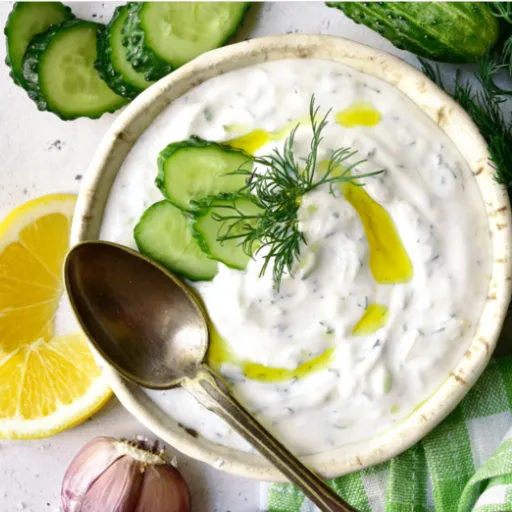
Labne, one of the world’s most popular forms of yogurt, is made by straining the milk and then processing it to a thick and smooth texture. It is rich and tangy in flavor that makes it suitable for many applications in the kitchen, thus, the main reason for its presence in many households.
Creative Ways to Use Labne:
- As a Spread or Dip: Mix labne with olive oil, garlic, or fresh herbs like dill or mint making it a versatile chic spread that is best with fresh bread or vegetables
- In Savory Dishes: Use as a topping for soups instead of heavy cream giving a healthier choice plus gained proteins
- With Roasted Vegetables: Pairs well with roasted vegetables or grain-based dishes, such as quinoa and couscous, boosting the contrast of the warm, hearty flavors with its coolness
- As a Substitute: Perfect alternative for cream cheese or sour cream in recipes giving a tangy yet mellow depth of flavor, particularly handy for baked goods where labne may improve the moistness and texture without adding too much fat
- In Desserts: Use for cheesecakes, parfaits, or even as a topping for fresh fruits with honey
For the culinary savants, labne’s versatility is its capacity to transit through different sorts of recipes from the casual to the elegant and it thus becomes an indispensable element in a wide range of cooking styles. To experiment with flavor-infused oils, spices, or marinades is to further extol its potential, that labne can be a star in the cuisines from Mediterranean to fusion cooking and even beyond.
Incorporating Kefir into Your Daily Meals
Kefir, a fermented dairy product that is very high in probiotics, is one of the most important sources of good health foods today. It is able to do so by providing a whole spectrum of possible health benefits. The high amount of good bacteria and yeast helps keep the gut microbiome healthy, thereby improving digestion and helping the immune system to a certain extent. Kefir isn’t just about probiotics, however, it is also a good source of the essential nutrients that people need like calcium, magnesium, vitamin B12, and protein.
Daily Kefir Usage Ideas:
- Blend with fruits, oats, and honey to make a nutrient-rich smoothie for breakfast
- Substitute for buttermilk or yogurt in recipes for pancakes, salad dressings, or marinades
- Use in savory dishes where its slightly sour taste makes it more suitable
- Incorporate into sauces and baked goods for added flavor and probiotics
- Enjoy as a tangy and thirst-quenching drink on its own
- Try dairy-free or lactose-free versions made with alternative milks like coconut or almond
Recommended Daily Amount: The usual daily amount suggested is between half a cup to one cup depending on the health goal set and how well the person can tolerate it. For those starting with kefir, a gradual increase in quantity is recommended to give the digestive system time to adapt.
Your consistency in consuming kefir is the main factor that will determine the extent of the benefits you will be getting from it over the long term. This is particularly effective through the fiber-rich food channel as this combination facilitates good intestinal health. By putting it into various meal plans and also making the most of its strong nutritional profile, kefir turns out to be a powerful factor in the enhancement of dietary variety and the support of overall health objectives.
Creative Ways to Use Yogurt and Cheese in Recipes
Yogurt and cheese not only offer vital nutrients such as calcium, protein, and probiotics but also act as flexible components that can elevate the taste and nutritional value of different dishes. The application of these dairy products in cooking can be both creative and health-aware.
🥗 Yogurt as Marinade Base
Take advantage of the acidity of yogurt to soften proteins like chicken or lamb. Mixing plain yogurt with spices, garlic, and lemon juice, you can develop a marinade that is both tender and tasty and suitable for either grilling or roasting.
🧀 Cheese as Flavor Booster
Adding hard cheeses such as Parmesan or Pecorino to soups and sauces not only brings richness but also harmony and character to the dish. On the other hand, if you use soft cheeses like mozzarella or brie, you can either bake them, serve with fruits or even present as elegant starters.
🧁 Using Yogurt in Baking
Yogurt can be used as a substitute for heavy cream or butter in baking and thus giving the product a light, moist texture. For instance, Greek yogurt can be added to muffins, cakes, and quick breads without losing either moisture or slightly tangy flavor.
🥘 Using Cheese in Casseroles
Sprinkle shredded cheese like cheddar or gruyère on top of casseroles and gratins. The cheese melts and forms a golden crust that envelops the dish with a rich and savory taste.
🥄 Yogurt-Based Dressings
Make your dips and dressings healthier by using yogurt in place of mayonnaise or sour cream. A mixture of yogurt with herbs, garlic, and a little olive oil gives you a creamy, tangy substitute that is perfect with fresh vegetables or salads.
🌍 Cheese in Fusion Dishes
Mix traditional cheeses with exotic flavors. For example, scatter feta over Mediterranean-inspired quinoa bowls or add cubed paneer into Indian curries for extra texture and protein.
Yogurt and cheese, due to their great versatility and nutritional value, can easily fit in a wide range of culinary applications. Through the experimentation of different processing methods and combinations, they become a great partner in the quest for both creativity and health in meal planning.
Understanding the Differences

Labne vs. Kefir: Key Distinctions
Labneh is a creamy and thick yogurt cheese prepared by draining yogurt, in contrast, kefir is a watery, sour and bubbly fermented milk beverage with a much diversified probiotic profile.
Comparing Yogurt and Cheese: Flavor, Texture, and Uses
Yogurt is a soft, sour and multi-purpose food that is good for snacking or dipping, whereas cheese has a variety of textures and flavors from buttery to dry and thus, is even more multi-purpose in cooking.
Whey: The Often Overlooked Component of Fermented Dairy
Whey, the liquid remaining after milk has been coagulated and filtered into curds for cheese, is one of the most important components of fermented dairy that often goes unnoticed. It is the liquid that comes off the curds when milk is coagulated. Whey is a very nutritious substance mainly because of the high-quality proteins, vitamins, and minerals it contains. Along with essential amino acids, calcium, and lactose, it is such a multifunctional and functional ingredient that it is widely spread out across various industries.
Types of Whey:
Sweet Whey: The product of milk that was coagulated with the enzyme rennet, as in cheese production. Contains proteins such as beta-lactoglobulin and alpha-lactalbumin, mainly found in protein supplements because of their great bioavailability.
Acid Whey: The result of milk that was coagulated through fermentation or the making of yogurt or some soft cheeses.
Applications of Whey:
- Incorporated into food such as protein powders and bakery products
- Used in livestock as feed and fertilizer in agricultural practices
- Converted into biofuels and biodegradable plastics as a sustainable practice
Knowing whey not only increases the admiration for dairy science but also highlights the need to decrease waste by properly utilizing this nutrient-rich component effectively.
References
-
- Stanford University – Fermented Food
This source discusses the probiotics in yogurt and kefir and their benefits, such as improving lactose digestion. - University of California Press – Follow the Ferments: Inclusive Food Governance in Arizona
This article explains how yogurt is transformed into labneh and further into sun-dried cheese balls. - Stanford Medicine – Fermented Food Diet Increases Microbiome Diversity
A study showing how a diet rich in fermented foods, including yogurt and kefir, boosts microbiome diversity and immune responses. - Northwest Technical Institute – Manufacturing Yogurt and Fermented Milks
This document provides insights into the production of kefir, yogurt, and other fermented dairy products.
- Stanford University – Fermented Food
- South Dakota State University – Effects of Yogurt Fortification with Different Legumes Protein
This research discusses the role of Lactobacilli in raw milk and fermented dairy products like yogurt and cheese. - Click here to read more.
Frequently Asked Questions (FAQ)
What is labne kefir yogurt cheese?
Labne kefir yogurt cheese is a type of cheese that is very smooth and is produced by the process of straining yogurt. The resultant cheese is thick and paste-like. It is a blend of conventional sources and kefir where the tanginess is slightly more pronounced and richer in cultures of live active organisms which makes it healthier than regular cream cheese.
How is labne kefir cheese different from cream cheese of the regular sort?
Labne kefir cheese is the product of yogurt’s straining, while the standard process for producing cream cheese involves the use of cow’s milk with a higher fat content thrown in. Labne kefir cheese is viewed as the healthier alternative to regular cheese, less fatty, yet rich in probiotic cultures that promote well-being in the gut.
Can labne kefir yogurt cheese be used like cottage cheese in recipes?
Yes! Labne kefir yogurt cheese is a substitute for cottage cheese in many recipes. The cheese is very creamy with a lemony taste, which makes it a perfect ingredient for a dish and is also great as a spread on pita bread or with vegetable sticks.
What are the positive effects on health from consuming labne kefir yogurt cheese?
The labne kefir yogurt cheese is a source of protein and live active cultures thus the numerous health benefits of its consumption. The cultures that support the digestive health, like acidophilus and bifidobacterium, are among those present in the product. Besides, it is a healthier alternative to regular cream cheese because it is often rBST free and lower in fat.
How is labneh kefir yogurt cheese made in the traditional way?
Yogurt was the traditional dairy product for making labneh kefir yogurt cheese, and the way to prepare it was by removing the extra whey through straining which gives the cheese its thick and creamy nature. For the maturation of the cheese with its typical tangy flavor, the process relied on the use of live active cultures from kefir.
Is it possible to give labneh kefir yogurt cheese a taste?
Of course, labneh kefir yogurt cheese can be flavored in many ways. The most common favorites are the ones that involve the addition of zaatar, herbs, or spices to give the cheese an extra kick. Its variety makes it possible to be presented in both savory and sweet dishes.
What kinds of milk can be utilized to produce labne kefir yogurt cheese?
Labne kefir yogurt cheese is produced from various kinds of milk, i.e., cow and goat milk. The specific milk type lends its distinct character to the cheese, with goat lending a richness that is often considered unique.
What benefits does labne kefir yogurt cheese bring to the health-conscious individual?
In the eyes of the health-conscious community, the cheese is considered a top-notch product because of its reduced fat content, rBST free status, and the presence of probiotics that facilitate digestion. In addition, high-quality ingredients such as skim milk are used in its manufacture, thereby making this product suitable for most diets as a nutritious option.