A nutritious breakfast sets the stage for an energetic day, however, traditional breakfast meals can be a problem for people that take care of their sodium intake. Savory and comforting breakfast sausages are usually very salty and therefore might not match with some diets or health requirements. This piece discusses the universe of low-salt sausage replacements and shares tips on how one can have a delectable, protein-rich morning meal without giving up flavor or nutrition. If you are controlling high blood pressure, on a low-sodium diet, or just looking for healthier options, this manual will make you well-informed and equipped with delicious choices for your breakfast.
Understanding Low Sodium Sausage
What is Low Sodium Sausage?
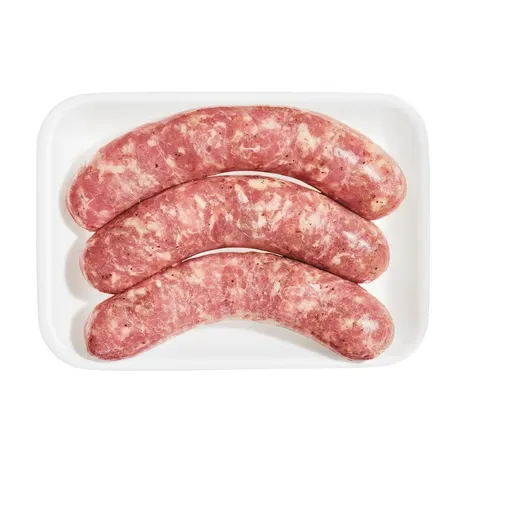
Low sodium sausage is a modern variant of sausage that contains considerably less sodium as compared to traditional sausages. The purpose of this product is to be a more healthful option for consumers who are trying to limit their sodium intake because of particular health problems or, in general, people who just want to eat a well-balanced diet. Manufacturers of the low salt kind of sausage might come up with new methods or else make substitutions in such a way that the salt content is reduced while the texture and taste remain the same.
By the use of naturally potent ingredients such as garlic, paprika, black pepper, or sage, the overall profile of the sausage can be enhanced. The low-sodium but high-quality options may still have the same satisfying and savory characteristics that are associated with sausage, thus making them an attractive choice for the health-conscious consumers.
A practical way of reducing one’s daily sodium intake would be to choose low sodium sausage, and that too, without complete giving up of the pleasure of eating familiar foods. There are many forms of low-sodium sausages available in the market: breakfast links, patties, and smoked varieties, and this diversity is catering to different dietary preferences and meal plans. Careful reading of the nutrition labels and selection of products with lower sodium content can enable an individual to enjoy a tasty, protein-rich option that is in line with their health goals.
Health Benefits of Reducing Sodium Intake
One of the most remarkable results of reducing the intake of sodium is the improvement of heart function and overall health. Sodium is one of the main contributors in the elevation of blood pressure which in turn is the main cause of heart disease and strokes. So, giving up on sodium completely or even cutting down on it is a favorable decision to make as it surely leads to better blood pressure control and thus affects the heart positively.
The same is true for kidney function that has an improved working condition in the case of a lower sodium diet. The kidneys do the job of maintaining the correct amount of salt in the body, and in the case of high sodium intake, the kidneys have to filter off the excess which might damage them over a long time. The less sodium means the more friendliness to the kidneys and they are allowed to function in their usual way of separating wastes without losing their filtering ability.
Moreover, the thoughtful intake of sodium can be a way of controlling bloating and in turn, having better energy levels. When a person eats too much sodium, it leads to water retention, and thus, the person feels uncomfortable and tired. However, this can all be avoided if the person decides to choose low sodium products instead, as this way he/she is not just drinking but also having better hydration and feeling more lively throughout the day, which is one very good way to live healthier and more balanced.
Types of Low Sodium Sausages Available
Low sodium sausages have a wide range of options, that can be chosen according to different diets and tastes. Among them the chicken or turkey-based sausages are the ones that have become a popular choice, since these are naturally playing a low sodium game and most health-conscious consumers prefer reduced sodium products. In order to maintain the taste without salt, these sausages are herbs and spices seasoned; thus, they can be considered as a perfect choice for people who are watching their sodium intake.
On the other hand, there are also vegetarian or plant-based sausages, which are made of tofu, beans, or grains. These sausages are deliberately made to be heart-friendly and usually, they come with sodium content that is lower than that of the regular sausage. Even though these sausages are made to be meat-less they have strong flavors and great taste thanks to the inventive use of spices and natural enhancers.
Lastly, the market also offers specialty low sodium pork or beef sausages. These products are generally meant for the ones that want to have the full sausage experience but with less salt. Many manufacturers of these products resort to the controlled use of flavors and natural seasonings such as garlic, onion, and paprika to conquer taste and the dietary regulations at the same time. So with the variety of options available, everyone can find their favorite low sodium sausage that fits their taste and lifestyle.
Low Sodium Breakfast Options

Why Choose Low Sodium for Breakfast?
Beginning your morning with a breakfast low in sodium can work miracles on your body, mainly if you are someone who is currently controlling blood pressure, or is at least susceptible to heart diseases. When one eats a lot of salt, the blood pressure goes up, and this might result in the overloading of the cardiovascular system if not dealt with, in due time. The best time of the day to make health-friendly choices is breakfast, for it determines the quality of meals to be taken throughout the day. Using low sodium products guarantees that you will not only nourish yourself at the beginning of the day with food that is good for your long-lasting health but also will not give up on the taste, at the same time.
Different kinds of breakfast variables, like processed meats, certain types of cheese, and packaged cereals usually contain a considerable amount of salt. Swapping them with non-salty but healthy alternatives like fresh fruits, low sodium bread, unsalted nuts, and plant-based proteins can help too in controlling daily sodium intake. Making a vegetable scramble with no-salt seasonings or having oatmeal topped with fresh berries can be a kind of a good and healthy breakfast that is very filling. These dietary decisions take part in the creation of a fashionable diet while still sticking with the low sodium that is not supposed to go beyond the health risks.
The scientific findings are also in line with the fact that lower sodium options need to be chosen as part of a comprehensive diet that is balanced overall. As per the dietary recommendations, the sodium limit for adults is set at 2,300 milligrams per day, but many people exceed this limit because of the high sodium content in certain prepared and processed foods, which is often not noticed. Hence, being aware of the salt content in the breakfast food is not only a simple but also a really effective way to reach this goal. Cutting back on sodium does not necessarily kill the taste, as seasoning alternatives like herbs, spices, or citrus fruits can play such a magic of enhancing the foods just like salt can do. The moment one decides to shift to healthier breakfast options, it will be like lighting the way to one’s energy levels, heart health, and overall living quality improvement.
Popular Low Sodium Breakfast Sausage Recipes
Making your own breakfast sausage at home will be under your full control in terms of the ingredients and the flavor while, at the same time, the salt content will be drastically reduced. Here are a couple of recipes that are both nutritious and delicious that are really popular among the people:
Turkey Breakfast Sausage Patties
One of the healthiest and most versatile options is the turkey sausage patties. Mix 1 pound of ground turkey with the seasonings like sage, thyme, garlic powder, and a little bit of black pepper. Enhance the flavor without getting a sodium hit by adding a bit of smoked paprika. Form small patties and fry them in a non-stick skillet till they turn golden brown.
Herbed Chicken Sausage
This recipe is a wonderful combination of lean meat and fragrant herbs. Use ground chicken and mix it with fennel seeds, rosemary, parsley, and finely chopped onion. If you want, you can even make it spicier by adding red pepper flakes. Make the mixture into the shape you want, either patties or links, and then bake or pan-fry till they are completely cooked.
Vegetarian Breakfast Sausage Crumbles
If you are looking for a vegetarian option then go for it because this recipe is totally plant-based, combining textured vegetable protein (TVP) with smoked paprika, sage, and a bit of low-sodium soy sauce. Soak the TVP in hot water and mix with the spices. Fry in a pan until they are brown and use them as crumbles in tacos or as a side dish for breakfast.
These recipes reveal the fact that home-made shoes are not only healthy but also flavored. They will make it possible for you to have a big breakfast and still keep your health intact, thus being in total agreement with your low-sodium diet plan.
Homemade Low Sodium Sausage Ideas
The exploration of new combinations of ingredients can be a quest for the creative cook to makelow-sodium sausage alternatives in various ways. For instance, one can thrill the senses by combining ground turkey or chicken with very finely chopped apple and a whisper of cinnamon. This blend is capable of giving a slight but pleasant taste that goes perfectly with breakfast. If you want, you can also add some quinoa or oats as binders instead of simply adding sodium, to get a nutritious product.
Those who are looking for vegan options can use lentils or chickpeas as their meat substitutes. For instance, lentils can be blended with parsley, garlic powder, onion powder, and smoked paprika for a rich, savory flavor. By adding flaxseeds as a binder, the mixture can be kept together while increasing the nutrition.
The use of smoked spices like chipotle powder or cumin can also lead to the creation of traditional sausage flavors. One can adopt a healthier method of cooking, for example, baking or steaming instead of frying, which would be good for maintaining a low-sodium lifestyle. These combinations offer infinite possibilities for customization according to one’s taste and dietary needs.
Innovative Low Salt Sausage Recipes

Creative Uses for Low Sodium Sausages
Low sodium sausages are very flexible and can go with various meals that appeal to both health and taste. one zesty way to do so is by putting them as a topping rich in protein on the pizzas made at home. sautéed pieces of low-sodium sausage with bell peppers, onions, and mushrooms mix into a healthy and satisfying combo. Another thing is to put sliced sausages in filling vegetable soups and stews, giving salt to the broth without an overload of salt.
During mornings, low sodium sausages may come along with egg scramble or frittata rich in vegetables providing a flavorful change in your morning routine. Or they can be filled into veggies like bell peppers or zucchinis—mixed with quinoa, lentils, or rice for a nutrient-dense meal. These sausages can be used in Mediterranean or Asian cuisine, they could be in wraps, stir-fries, or grain bowls with herbs and spices to match their taste.
The use of grilling or roasting as innovative preparation methods not only gives the sausages their tasty but also makes their texture and flavor more pronounced without the use of excessive seasoning. Fresh herbs, citrus, and garlic can be used to not only make the taste more intense but also keep the dishes lively and healthy. Low sodium sausages allow one to prepare meals that cut back on salt but are still creative and satisfying.
Pairing Low Salt Sausage with Healthy Ingredients
When you think about setting up healthy dishes with low salt sausage, mixing the sausages with high nutrient ingredients can bring up the taste and nutritional value of both. The fresh vegetables like bell peppers, zucchini, spinach, and broccoli are very good partners. These veggies not only contribute to the dish with their natural sweetness and crunch but also with essential vitamins, fiber, and antioxidants. As an example, a stir-fry with low salt sausage and colorful veggies offers a well-balanced meal that is not only pleasing to the eye but also to taste without relying on sodium addition.
Whole grains such as quinoa, brown rice, and farro are also remarkable options for the pairing with low salt sausage. By acting as the base of the dish, these grains absorb and mingle with the sausage juices while at the same time giving a nutty and earthy flavor of the dish. Whole grains not only bring their taste but also are packed with fiber, protein, and minerals which are helpful in digestion and providing energy for longer time periods. One could easily make a trendy dish of a quinoa bowl with sausage and vegetables, drizzled with a light lemon vinaigrette for a refreshing burst of flavor.
In case someone wants to have variety in their meals, the frying and mixing of low salt sausages with healthy fats such as avocado, olive oil, or nuts are excellent ways to go. These components not only subtly enrich the dish but also contribute omega-3 fatty acids that are good for the heart. One way could be to serve sliced low salt sausage along with a salad made of mixed greens, topped with avocado slices, toasted almonds, and a homemade balsamic dressing. This method allows the sausage’s inherent tastes to be pronounced while at the same time, a dish that is both filling and wholesome is created.
Breakfast Sausage Recipe Variations
Herb-Infused Breakfast Sausage
By adding a blend of fresh herbs to your breakfast sausage, its flavor will be upgraded. Ground turkey or pork can be mixed with sage, rosemary, thyme, and parsley that are chopped. These herbs not only create a beautiful smell but also go well with the salty nature of the sausage. The dish can be served with scrambled eggs or whole-grain toast for a nutritious morning meal.
Spicy Breakfast Sausage Crumbles
If you are one of those who always want their food to be spicy, then to your sausage mixture add chili flakes, cayenne pepper, and smoked paprika. This version is perfect for burritos, avocado toast, or even spicy breakfast bowls if you like quinoa and roasted vegetables.
Apple Cinnamon Sausage Patties
Bring a little sweetness into the ground chicken or pork by adding grated apples, a pinch of cinnamon, and a dash of nutmeg, for instance. This variation goes well with warm oatmeal or pancakes since it creates a nice balance of sweet and savory.
Vegetarian Sausage Alternative
For the meatless option, combine crumbled tofu or lentils with seasoning that consists of fennel seeds, garlic powder, onion powder, and smoked paprika. An agent such as flaxseed meal or oat flour can be added for binding. Then, the mixture should be shaped into patties and cooked until golden brown. The sausages are perfect for being used in breakfast sandwiches or grain bowls.
Mediterranean-Style Sausage
Add ingredients like spinach, sun-dried tomatoes, garlic, and feta cheese to your sausage mixture. This variant goes well with pita bread, Greek yogurt, and a salad made of freshly cut cucumbers and tomatoes for a breakfast inspired by the Mediterranean.
These variations give room for creativity and at the same time they meet different people’s tastes and dietary restrictions. You can change the amount of seasoning and the types of add-ins according to your preference and find out new ways to enjoy breakfast sausage.
Choosing the Right Low Sodium Sausage

What to Look for When Buying Low Sodium Sausages
The selection of low-sodium sausage can greatly affect one’s health and at the same time enable one to have tasty meals. Sodium levels in sausages should be clearly labeled and priority given to such sausages when shopping. The best option is to pick sausages with a sodium content of less than 140 milligrams per serving, as this is what the FDA considers low sodium. Besides, closely read the nutrition facts and the list of ingredients because the majority of processed sausages contain hidden sources of sodium such as monosodium glutamate (MSG) or sodium phosphates. The products with simple and recognizable ingredients are the ones that you can be sure you are consuming a cleaner, healthier sausage.
Another major factor is the presence of preservatives and artificial flavors. Nitrates or nitrites that are commonly used in conventional sausages can raise the sodium content and pose health risks if consumed frequently. Brands that claim to be using natural curing methods or that they are free of nitrates and nitrites should be chosen. Plus, when it comes to flavoring, the use of herbs, spices, and other natural ingredients can make the sausage taste good without heavy sodium content. Whole spices such as garlic, paprika, and fennel seed can be very good additions making the sausage tasty without salt.
Lastly, the source and quality of the meat in the sausage should be taken into account. Go for those that are made with high-quality meat cuts and do not include those that comprise fillers or byproducts, which are generally the reason for higher sodium levels. If it is possible, find sausages made from naturally lean meats like chicken or turkey as they usually have lower sodium levels compared to pork or beef sausages. Moreover, buying locally made artisanal sausages or organic brands can also lead to healthier choices since these producers usually focus on minimal processing and lower sodium content. Thus, by remembering these factors, flavorful meals can also be healthy and smart choice in a manner that you do not have to compromise on the health aspect.
Understanding Labels: Low Sodium vs. Regular Sausage
Low sodium sausage is characterized by much lower sodium content, fewer additives, and is customized for certain dietary needs more frequently, whereas regular sausage contains more sodium, fat, and often preservatives.
Seasoning and Flavoring Low Sodium Sausage

Using Breakfast Sausage Seasoning Effectively
The process of making a low-sodium sausage that is still full of flavor is no doubt an art of careful seasoning blending and selection. The traditional seasoning of breakfast sausage usually involves many such ingredients sage, thyme, marjoram, black pepper, and paprika, which together create a pleasant taste with less salt. Moreover, a pinch of garlic or onion powder can give the savory herb a strong hold in the flavor equilibrium while the dried herbs are the ones who come to the help of the savory aspect in the form of the unique and different characteristics of each respective herb. For the sweet tooths among us, a drop of maple syrup or a sprinkle of brown sugar can be added without having any overpowering effect on the meat’s natural flavor if done very carefully.
To create a uniform flavor throughout the meat, it is important to measure the seasonings with accuracy and also to mix them evenly with the meat mixture. A very good method is to combine the seasonings with a small amount of either water or broth and then add this mix to the ground meat so it will disperse throughout the meat and get absorbed very well for a great taste. To make it more personalized, you can even go ahead and mix in spices such as smoked paprika, cayenne, or crushed fennel seeds which will give you the classic breakfast sausage taste with your own twist. Homemade blends not only help you cut back on sodium but also let you stay away from the preservatives that are usually added to the mass-produced options.
Moreover, when it comes to handling and storing the seasoned sausage, proper techniques will guarantee food safety as well as the best quality and taste. After performing the mixing operation, it is a good practice to put the sausage mixture in the refrigerator for at least one hour so that the flavors get to know each other. If you intend to keep the sausage for later, divide it into pieces and freeze them, making sure that each piece is wrapped tightly to prevent freezer burn. Using the right method, you can make your low-sodium sausage a delicious and healthier alternative to regular breakfast sausage for any meal by simply adding the breakfast sausage seasoning.
Creating Flavorful Low Sodium Sausage Patties
The first step to producing flavorful low-sodium sausage patties is using a combination of fresh ground meat—pork, chicken, turkey, or even a mix—to create a succulent texture in the patties. The use of a wide range of dried herbs and spices remains the primary source of flavored low-sodium sausages. For a traditional sausage flavor, use sage, thyme, onion powder, garlic powder, paprika, and a small amount of cayenne pepper for heat if you like; the latter can also be omitted. Smoked paprika is another way to add a richness of taste that will mask the absence of salt.
Make sure you do the mixing of meat and seasoning very well so that the spices will be distributed evenly throughout the whole mixture. If you want to check the flavor, cook a tiny piece and adjust the spices and herbs according to your taste before making the patties. After the meat is shaped into patties of equal size, put them on a baking sheet lined with parchment, so they are of the same thickness and that they cook evenly. Before cooking, put the patties in the fridge for about an hour to harden them up, and at the same time, let the spices permeate the meat.
At the time of cooking, take a non-stick frying pan or grill and heat it at medium; then, cook the patties until their outer part is brown and the internal temperature is 165°F (74°C). They can be eaten with your most-liked breakfast items or in a sandwich. If you carefully balance the seasoning and apply proper preparation methods, you can enjoy your homemade low-sodium sausage patties that are both tasty and healthier than the store ones.
Tips for Enhancing Taste Without Added Salt
Use Fresh Herbs and Spices
Enrich flavors with the use of fresh herbs like rosemary, thyme, cilantro, and basil along with other spices which might include smoked paprika, cumin or garlic powder as they could give the food character without the need for sodium reliance.
Add Acidity
Lemon juice, vinegar, or tamarind are such acidic ingredients that can bring and combine flavors in your dishes. A small amount of citrus or a little balsamic vinegar can be especially effective in marinades, salads, and sauces.
Enhance Texture
The mixture of different texture elements, such as crunchy nuts, creamy avocado, or roasted vegetables, can make the dish more satisfying and tasty in this case without requiring the addition of salt.
Experiment with Umami-Rich Foods
Mushrooms, tomatoes, or nutritional yeast are among the naturally umami-rich ingredients that can deliver a savory hit that imitates the depth of salt.
Use Flavorful Cooking Techniques
Cooking methods like roasting, grilling or caramelizing bring out the natural sweetness and complex flavors of the ingredients thus lessening the need for extra seasoning.
Trying out these tactics, you can make quite alive and delicious meals still within the bounds of a low-sodium diet. The use of such methods not only improves taste but also helps to promote the adoption of healthier eating habits.
References
- Low-Sodium Eating – UC Davis Health – A guide discussing low-sodium diets, including references to sausage and other processed meats.
- Low Sodium Diet – University of Virginia – Provides tips for maintaining a low-sodium diet, with mentions of sodium content in various foods.
- Low Sodium Snack Ideas – University of Virginia – Discusses reduced-sodium versions of processed meats, including sausage.
- Subacute Feeding Toxicity of Low-Sodium Sausages – PubMed – A study suggesting that low-sodium sausages are safe in terms of subacute toxicity.
- Impacts of Irradiation Sources on Quality Attributes of Low-Salt Sausages – PubMed – Research on the quality attributes of low-salt sausages with reduced sodium chloride content.
- Click here to read more.
Frequently Asked Questions (FAQ)
Q: What exactly is low salt sausage?
A: Low salt sausage is a term used for sausages that contain very low amounts of sodium when compared to the regular ones. The production of such sausages typically involves the use of either minced pork or very lean turkey meat, and they are perfect for a low sodium diet such as people affected by kidney ailments.
Q: What is the procedure of making low sodium sausage?
A: One can have an option of making a homemade sausage that would be low in sodium. Ground pork or turkey meat can be taken and salted can be avoided. Spices like Italian seasoning, sage or even maple can add flavor without using salt. With this sausage, one has the complete control of the sodium content per portion.
Q: A recipe for low sodium sausage would be helpful?
A: A recipe for such a sausage could consist of ground pork flavored with herbs and spices such as sage and Italian seasoning. Apart from these flavors, you may add crushed garlic or pepper, too. By being selective with your ingredients, you can produce mouth-watering sausage links or patties with no salt.
Q: What health benefits does low salt sausage give?
A: Low salt sausage is a reversal for people whose conditions require them to cut down on salt such as those suffering from kidney disease. Salt reduction on the other hand, can control blood pressure and improve heart health, thereby being a good option for anyone who is wanting to be on kidney diet.
Q: How does low sodium sausage compare to store-bought sausage?
A: Most store-bought sausages are loaded with salt and preservatives which could push the sodium content up. On the other side, low-salt sausages especially if made at home let you determine the sodium control hence making it a healthier option for the salt-restricted eaters.
Q: Are there any special variations of low sodium sausage?
A: Indeed, there are several varieties of low sodium sausages including low-sodium breakfast sausage recipes and spicy sausage types. Besides that, it is also possible to find pork sausage or Italian sausage which is marked as low salt or low sodium.
Q: How does salt content in a traditional sausage compare to that of a low salt sausage?
A: Traditional sausages may have more than 500 mg of sodium per serving while on the other hand, low salt sausages can slash the sodium content, frequently making it to as low as 150 mg or less, which certainly depends on the recipe and method of cooking.
Q: Can low salt sausage be incorporated into breakfast dishes?
A: For sure! Low salt sausage can be included as a great component in breakfast dishes. One can utilize homemade sausage in the form of patties or links in a breakfast dish thereby keeping the meal nutritious and low in sodium.
Q: How do I make sure that all the spices are scattered throughout my sausage made at home?
A: To achieve a uniform distribution of spices in your homemade sausage, the mixing of the ground meat with spices should be done properly before shaping the patties or links. This process becomes a very important step in building up the flavor without using salt and hence your low-sodium sausage would be both tasteful and healthy.
Q: What are some factors to keep in mind when you are on a low sodium diet?
A: When you are on a low sodium diet, it is very important to always read the product labels and choose the low salt sausage. Besides this, you should also focus on fresh and whole ingredients and possibly make your own sausage so you can better manage the sodium level. Using lots of spices can also be a great alternative to salt in order to taste the food.