Phthalates sometimes used to make plastic softer have also been associated with health hazards and raise questions about how they end up in natural cheese or packaged cheese. This article will explain what phthalates are, how they enter food and consumption, and what this means to you and your family. Whether you’re a pleasure-seeking foodie, a concerned parent, or a mac and cheese fanatic in general, you’ll want to read about the science, the dispute, and then make steps to choose wisely.
What are Phthalates?

Definition and Chemical Structure
Phthalates refer to chemically synthesized compounds that enhance the flexibility and durability of plastics. These chemicals come under the category of ‘plasticizers’ and are used in a wide range of everyday products such as packaging materials, food contact materials including the food itself, and other non-food products. These chemicals are not chemically attached to the products they are introduced into, and hence their release into the environment such as in food or drinks easily occurs.
Phthalates are characterized by the presence of a benzene ring to which ester groups are attached at both ends. These stable bonds enable phthalates to interact with polymers, thus fulfilling their purpose of making plastics flexible. Nevertheless, such a loose form of combination tends to facilitate migration of phthalates from products into foods—during processing, through storage, and even with the use of kitchenware.
Common Types of Phthalates:
- DEP – Diethyl phthalate
- DEHP – Di(2-ethylhexyl) phthalate
- DBP – Dibutyl phthalate
Each of these phthalates has its own slightly different use and potential risks associated with it, but the chief problem with them is that all of them cause health issues to a certain extent. Most of the warnings about phthalates are based on studies that investigate their potential role as endocrine disruptors, which are chemicals that interfere with the hormonal system of organisms. Exposure to certain phthalates has been associated with several health problems, including developmental and reproductive disorders, particularly to susceptible groups such as infants and pregnant mothers. It therefore becomes such an important public issue that there just has to be more research and emphasis towards all feasible efforts that can significantly lower people’s exposure.
Usage in Food Packaging
A common use of phthalates is in the manufacture of food packaging materials due to the flexibility they offer in items such as plastic wraps, containers, and even all of the processing equipment used. These add strength and pliability to the plastics, which is used not only in the production of food but also in storage, and hence these are preferred. Although the convenience of plastic packaging is appreciated, there is always the concern of chemical migration from the phthalates, especially under extreme conditions of temperature or storage duration.
Studies have demonstrated that phthalates could migrate from such containers into foods, especially those with high contents of oil or fat. Some examples of such foods include macaroni and cheese, butter, and fast foods. Most of the time this contamination happens during the processing or even during the distribution of foods in packages containing phthalates. Due to this, there is an effort to closely look into their efficacy when it comes to the applications of food.
Protective Measures for Consumers
- Avoid putting plastic containers in the microwave
- Stay away from plastic items marked with recycling numbers 3 or 7, known to contain phthalates in some situations
- Turn to alternative food storage materials such as glass, stainless steel, or BPA-free substitutes
- Be aware that vast amounts of phthalates are found in cardboard packaging used for most mac and cheese brands
Realizing the risks of such substances, some governments try to enact more health-conscious or even extreme regulations by disallowing certain phthalates from being incorporated in food packages. As an example, the European Union has restrictions with few kinds of phthalates in food contact materials. On the contrary, there is a similar discourse about the United States, and there is an appeal for stronger science and regulation specifically.
Phthalates in Mac and Cheese Products

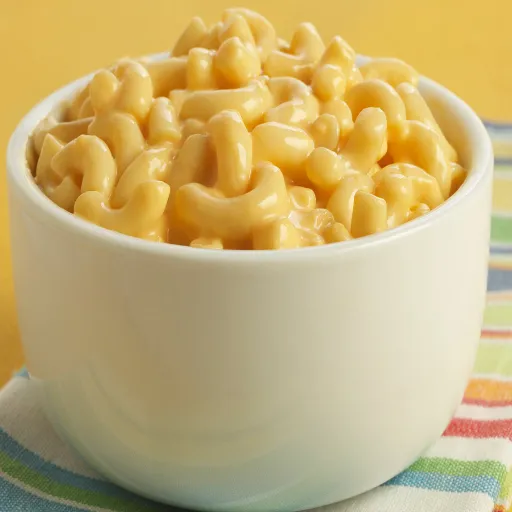
How Phthalates Enter Mac and Cheese
The reason for the presence of phthalates in mac and cheese packages is the process of their preparation, which involves a lot of plastics used during the manufacturing of the product and its packaging. Phthalates are widely used in plastics as they increase the tensile strength, flexibility, and clarity of plastics used in the manufacture of food production equipment, tubes, and conveyors. Consequently, these chemicals can be present in edible items even in minute quantities over a period of time, especially where there is heat applied or long contact with the plastic.
Important Note: Processed cheese or powdered cheese is packed in plastic wrappings and containers filled with dry product, which is another entry point for contaminants because phthalates, being volatile, can seep into the foodstuff whenever the conditions are favorable.
The other major source of phthalates in mac and cheese products lies in the abundance of fats in the cheese powders that are manufactured. Phthalates are hydrophobic in nature, meaning they have an affinity to fatty substances as a medium. A large percentage of cheese powder is fat, which reacts chemically when in contact with this molecular class of compounds, and this happens either post-manufacturing or during storage of the product. Previous literature indicates that among various foods, one of the high phthalate-contained products is dairy products, more precisely the powdered ones. That is exactly why a dish that uses them—macaroni and cheese—is more likely to contain the said chemicals than a variety of processed snacks.
Common Sources in Boxed Mac and Cheese
Quite a number of foods, including boxed mac and cheese, can be found to contain phthalates as it is an additive used in plastics to improve their elasticity and stability. These agents are not deliberately included in food but get there for a number of reasons such as the production, transport, or preservation of food. For instance, foods may be contacted with plastics which include tubing, belts, and other such materials used in food manufacturing processes containing phthalates.
It has been established that phthalate levels are relatively higher in powdered cheese, which is an important constituent of boxed mac and cheese, than in most previously manufactured foods, probably because powdered cheese is processed more thoroughly. Products with oil or similar fat ingredients such as cheese powders are particularly absorbent of these chemicals, thus magnifying the extent of danger.
Variations of Macaroni and Cheese Affected
Macaroni and cheese, a well-loved dish across households, comes in numerous forms, including boxed meals, frozen entrees, and even gourmet variations. Among these, boxed macaroni and cheese products with powdered cheese packets are the most susceptible to phthalate contamination. This is largely due to the processing and packaging methods used, which often involve plastic-based materials known to leach phthalates into the food. Research and testing conducted on various brands have revealed detectable levels of these harmful chemicals, raising concerns about their safety and long-term effects.
Boxed Meals
Most susceptible due to powdered cheese and extensive plastic contact during processing
Frozen Entrees
Can contain phthalates from packaging materials and processing equipment
Organic Options
Not immune to contamination as it stems from processes rather than ingredients
Some popular boxed macaroni and cheese brands have been found to contain measurable amounts of phthalates, often concentrated in the powdered cheese mix. These findings suggest that the issue isn’t limited to one or two manufacturers but could be an industry-wide concern. Variations like gluten-free or organic options are not immune either, as the contamination primarily stems from production processes rather than the ingredients themselves. Addressing this problem requires a systemic overhaul of packaging materials and deeper scrutiny of supply chains.
Health Impacts of Phthalates
Effects on Children
Phthalates are implicated in numerous health concerns in children due to their interference with hormones and developmental mechanisms. These include a number of critical points:
These discoveries underline the crucial importance of reducing children’s contact with phthalates to promote their health and well-being.
Potential Risks for Adults
Phthalates are undoubtedly unsafe for adults, which is attributed to the fact that they tend to cause hormonal imbalance and other conditions. They are anti-hormonal compounds that desensitize organs responsible for sexual development, which leads to various sex-related illnesses including inability to conceive, disorders of the sex hormones, and abnormal pregnancies. Some research is linked to females who had significant exposure to phthalates and the occurrence of phenomena such as fibroids and PCOS, and the absence of testosterone or poor quality sperm amongst males. This risk increases with regular exposure, especially for workers of industries dealing with such phthalate-containing products.
In addition to the above facts, it is shown that phthalates contribute to the development of metabolic disorders and diseases such as diabetes or obesity in adults. It is believed that these substances may interfere with the body’s mechanisms of handling fats and sugars, thereby facilitating weight gain and predisposing to insulin resistance eventually. In turn, people who are exposed to phthalate compounds are likely to have raised chronic inflammation, which plays a major role in contributing to individuals having metabolic syndrome. Additionally, the potential harm of phthalates to the heart is also a question that increasingly arises today, and some research already shows that prolonged exposure possibly causes hypertension and other cardiovascular-related problems.
Long-term Health Consequences
There remains a lot of controversy regarding phthalates that are associated with many diseases where there is scientific proof of its negative effects. The effects of interference with hormones are more likely to be observed with cumulative exposure. In particular, various studies have explored the link between phthalates and varied reproductive aspects such as poor sperm quality structure in both males and females and even irregularities in hormonal patterns. Even more worrying is the fact that mothers who used pesticides containing phthalates have been found to have more children with mental retardation and attention deficit hyperactivity disorder.
Comprehensive Strategy for Managing Exposure
- Government and healthcare authorities should restrict further use of phthalates in all processes
- Manufacturers need to stop using any additive containing phthalates
- Consumers should opt for products with natural materials
- Avoid plastics with symbols of harmful recycling numbers 3 or 7
- Pay attention to cosmetic products with chemicals
- Support consumer education and labeling for easy identification of products
In addition to the pattern concerning the production of offspring, mainly babies, phthalates have achieved great recognition for the development of chronic health diseases. Based on preliminary evidence, it has been suggested that these chemicals increase the chances of metabolic diseases like overweight or type 2diabetes, which may affect the functions of the human body in preventing excessive fat and carbohydrate stores. In addition, high levels of exposure to phthalates and correlations with risk of hypertension or cardiovascular attack have also been noted. Such reports about harmful effects of phthalates to health, given their ubiquitous nature, may go some way to suggesting how phthalates have contributed to or aggravated non-communicable diseases around the world and so hints at the necessity of combating this health hazard.
Choosing Safer Mac and Cheese Options
Tips for Selecting Boxed Mac and Cheese
It is crucial to always check out what is in the box before purchasing mac and cheese. Make sure to pick one with ingredients you can pronounce and spell out loud—that is, no chemicals or preservatives in it. Unlike the common type, some include whole grains for the pasta and some are enhanced with key nutrients like calcium and proteins. There is ever an imperative to select the one that claims to be devoid of any artificial colors, flavors, or preservatives, which is way more convenient and healthier for the family.
- Look for pronounceable ingredients
- Avoid chemical additives
- Choose whole grain options
- Verify nutrient enhancement
- No chemical fertilizers or pesticides
- Reduced exposure to harmful substances
- Non-GMO verified options
- Lactose-free cheese substitutes available
- Ethical sourcing practices
- Eco-friendly packaging
- Recyclable materials
- Biodegradable containers
There’s also a need to take into account boxed mac and cheese, this time looking for organic or non-GMO options. Ingredients in such types are generally grown without the use of chemical fertilizers, pesticides, or GMOs and hence reduce the risk of exposure to such substances. Non-GMO seals also attest that no genetically modified substances were utilized in the production process, a circumstance that is of concern to the greater majority of consumers striving for a healthy diet. Furthermore, other brands have also introduced cheese substitutes that do not contain any lactose, therefore a good dietary choice for certain groups of individuals.
Identifying Vegan Mac Alternatives
When considering some vegan options of mac and cheese, it seems that they are more numerous than ever and meet different preferences and requirements in a number of instances. Many known brand names have already embraced the idea of offering non-animal-based versions of this well-loved recipe, which in most cases is prepared from cashew, nutritional yeast, and coconut milk in order to obtain the rich, spiced taste otherwise provided by dairy products.
Key Considerations for Vegan Mac Products:
Chickpeas, lentils, or peas provide excellent plant protein
Look for B12 and other essential nutrients
Avoid chemical flavors and preservatives
An important factor to take into consideration when choosing vegan mac products is the protein content. Most options are made of chickpeas, lentils, or peas for pasta and help make an excellent plant protein source compared to the cereals in the form of wheat used in making mac and cheese. This discreetly aids growth and repair of muscles and keeps the vegetarians and vegans’ protein requirement more within reach. Moreover, fortified products available in the market that contain necessary vitamins such as B12, which is one of the most commonly deficient nutrients among individuals on a plant-based diet, can further enhance the nutrition content as well.
As a result, quite a few people still tend to devote much greater attention to different foods and drinks. More and more people are now scanning the ingredients list trying to find how to swap some of their favorite mac and cheese for something without all the chemical flavors, preservatives, and other additives. So, clever and concerned customers do not have any difficulty in taking a healthy option since the options consist of healthy foods composed of fresh and less processed ingredients. All these factors considered, it is easier to indulge in some creamy, cheesy mac and cheese even without grips of food ethics.
References
-
Phthalates in Your Mac and Cheese – University of Washington
This blog from the University of Washington discusses concerns about phthalate exposure from processed foods, including mac and cheese. - Click here to read more.