Character marketing has always been an essential part of advertising, and it has been around for a long time, winning over and retaining the attention of the consumers, as well as forming memorable relationships between brands and the public. One of the most prominent examples is the spokescandies—striking, mischievous, and funny personifications that make the products more appealing and turn them into the brands that everybody knows. Still, the cute characters have gone through many changes to stay in the game amidst the constantly shifting marketing scenario. This paper discusses the remarkable history of spokescandies and their changes, putting the emphasis on the branding and consumer loyalty through their interacting gestures. The time from their inception to their influence in the present digital age would be examined, and we would reveal the factors that account for their lasting success and the reasons for their continuous appeal to the global audience.
History and Evolution of Spokescandies

Origins of Spokescandies in Advertising
Spokescandies initially put forward as an innovative way of advertising, with their and comedy as the main vehicle, they managed to facilitate a strong bond between the customers and the products. By making the candies and the brands more human-like, i.e., with the help of anthropomorphic characters, they could not only capture but also retain the consumers’ attention in a market of fierce competition. The emotion-driven advertisements could reach a wider audience, build intimacy and trust that last for years, thanks to the aforementioned characteristics of the candies.
The start can be dated back to the 1950s when companies started to voice their products through mascots. Spokescandies came into the limelight with the birth of M&M’S characters by the Mars Company in the 1950s. These bright, animated figures not only took on the product but also helped transmit the brand’s values of being fun, quality, and friendly. People quickly loved their jokes and individualism and thus they became cultural icons.
The spokescandies have gone through various changes with time, and have been able to cope with the media and the customers’ expectations. They moved from being silent and static in print and on TV to being the stars of the vibrant digital marketing campaigns, appearing in viral videos, social media posts, and interactive content. The transition has kept the spokescandies in the limelight and reinforced their emotional connection with consumers making it difficult for the brands to let them go as their symbols.
Decadal Changes in Spokescandies
The depiction of spokescandies has gone through a major change over the years, adapting to different societal trends and the evolution of marketing strategies. At the beginning, their role was very simple—they were nothing more than mascots to help the brand get recognized in print and TV spots. These early representations were limited by the medium, as they could communicate their message only through very simple visuals and very short but catchy slogans.
The 1990s saw the spokescandies evolve again in parallel with the advertising industry’s move to the new media. The opening of TV as the dominant medium led to spokescandies being created as animated characters complete with their own personalities, voices, and plots. This way of approaching the advertisement was that, it was more like a journey with the audience where they could even build up a character with the story, and the emotional bond was the strongest. The characters were able to connect with the audience, as they were funny and had human traits that made them very hard to forget; thus, they became the cultural icons of the time besides the brands that were godsends in a very competitive scheme.
From the 2010s decade, there came another shift that the digital age had brought with it. Spokescandies became more and more interactive figures, and had their own social media campaigns, web series, and even mobile apps. On these platforms, brands were able to establish a dialog with their audience through the mascots making them always new and relevant. Besides, their presence in memes, viral content, and personalized messaging further amplified their impact solidifying their role as flexible and everlasting marketing tools in a continually changing cultural landscape.
Influence on Brand Messaging
The spokescandies have changed the way the brand communicates deeply by making products humanlike and establishing strong emotional ties with audience persons. The mascots, with their different personalities, help the brands to reveal their values, humor, or creativity through very relatable and engaging ways. This method enables the companies to communicate even the most complex ideas in simple, memorable ways that will probably be heard and understood across all demographic groups.
Moreover, the spokescandies are the brand identity reinforcement and recognition facilitators in the overcrowded markets. Their continuous appearances throughout the advertising platforms – from classic TV commercials down to digital content – make sure that the brand message is not only unvarying but also instantly recognizable. For example, if the spokescandies interactions are characterized by humor, irony, or charm, it would be in line with broader brand themes thus making the behavior and messaging of the brand cohesive and strong.
Lastly, the spokescandies are able to keep up with the cultural trends and the customers’ expectations thereby letting the brands remain relevant. They can take social issues, display diversity or mirror the changing preferences of the audience, but still, keep at the core their identity. This property gives the brands the ability to form a real connection with the customers, meaning that the messaging goes through a change that does not affect its core. The brands through spokescandies can communicate not only messages that are effective but also messages that last.
Impact on Brand Identity and Marketing Strategies
Creating Memorable Campaigns with Spokescandies
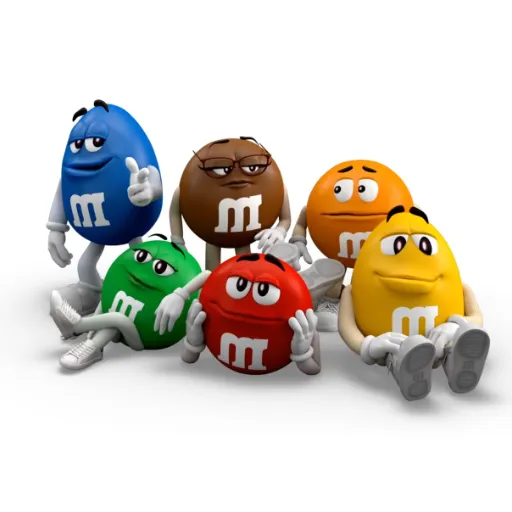
Spokescandies have really turned out to be invaluable and indispensable contributors to the campaigns that target and hit the audiences in the depth of their hearts. By giving a human face or a value to the brand, these mascots are establishing new and consumer-friendly connections that are quite similar to the consumers. Just as “M&M’s” did in the past with spokescandies for their candy, so the brand has been doing it for decades. The characters bring about laughter, are easily relatable, and are also warm, so that the ad campaigns become and remain not only more fun but also very unforgettable. They catch people’s attention, make them responsive emotionally, and in this way help brands to move up above others in the crowded and fierce advertising war.
When spokescandies are incorporated into campaigns, it is like brands are being given an invitation to draw their values and commitments indirectly, creatively through the use of mascots. For example, from a very simple story, the candies could be the ones who are mainly an all-inclusive brand, or they could be even the ones that are going to be recognized as the most excellent people in the world due to their green-thinkers. A campaign that is well done would be depicting mascots that are professionals already in teamwork and are doing things that show corporate social responsibility. They bring in stories that are really fun but at the same time they also communicate very subtly a message that is deeper and is aligned with the audience’s expectations thus contributing to brand loyalty and trust.
Key Success Factors:
- Data-Driven Insights: Modern technologies including audience analysis and AI-driven insights allow marketers to keep spokescandies relevant for different demographics.
- Social Media Integration: Platforms help campaigns gain wider exposure and involve consumers through direct interaction.
- User Engagement: When content with spokescandies is shared, users become active participants in spreading brand messages naturally.
- Strategic Flexibility: The mix of strategy, creativity, and real-time analytics guarantees that spokescandie-centric campaigns remain influential and adaptable.
Establishing Emotional Connections Through Characters
Fostering a strong emotional bond between brands and customers is one of the most important elements of today’s marketing tactics. The most obvious example of this is the Spokescandies, which are the most effective means for softening a brand’s image and making such bonds stronger. Brands attract consumers’ attention using these characters with their relatable personalities, humor, or even weaknesses, thus creating stories that connect with the audience on a much deeper emotional level. Characters no longer just represent the product but have become the brands’ trust, comfort, and shared experiences symbols that keep customers coming back and associating the brand with positive attributes.
Moreover, Spokescandies exploit the storytelling psychological impact. We, humans, are naturally inclined to interact with and remember stories, particularly those that are emotionally connected. When companies create characters with vivid and relatable traits, they can reflect the dreams, the values, or even the problems of the group they target. For instance, a spokescandy that symbolizes strength and positivity may be perceived as very close by an audience who is going through hard times, thus giving them hope and at the same time, increasing their love for the brand. When companies adopt this emotional storytelling tactics, the corresponding campaigns become less than the usual advertising and more in terms of memorable and meaningful.
To sum up, the rapid development of technology and data analysis has given marketers even more tools to strengthen consumer-brand connections. Marketers can determine which parts of their spokescandies work best by tracking how much consumer engagement is gained through the digital platforms. Data on the audience’s behavior can be used to polish the narratives, to create deeper emotional connections, and to expand the characters’ reach to new groups. Mixing data-driven approaches with imaginative character creation is a turning point in how brands build personal relationships in a highly competitive world.
Case Studies of Successful Spokescandies
1. M&M’s Spokescandies
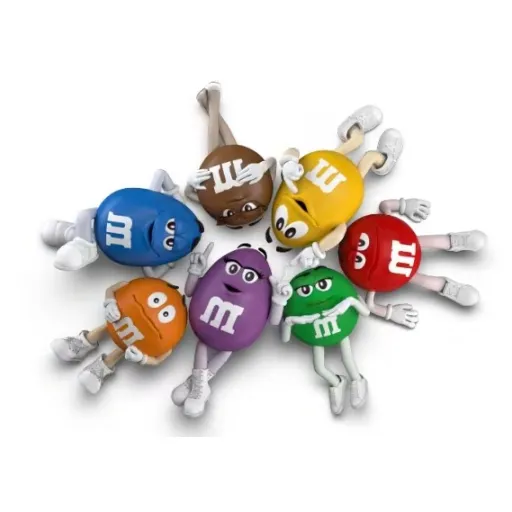
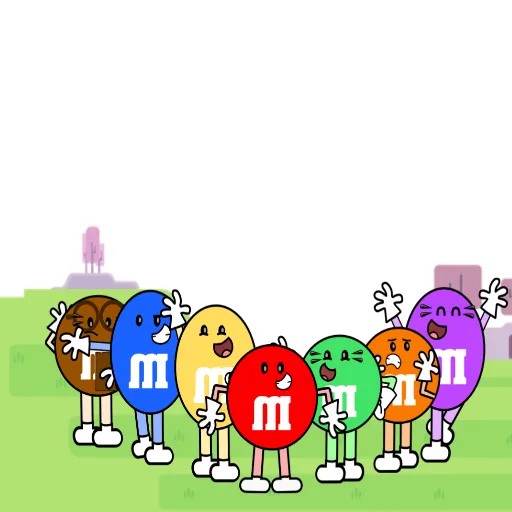
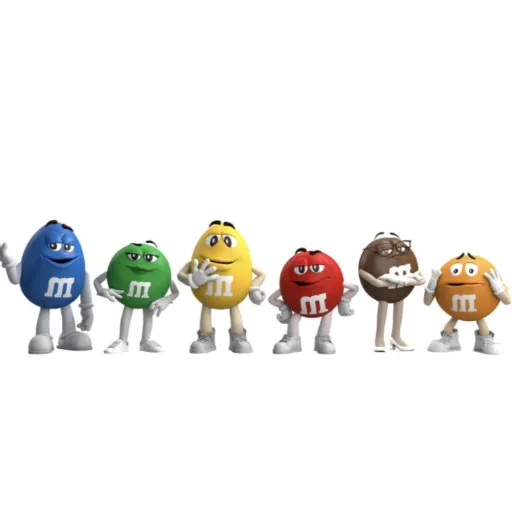
M&M’s Spokescandies are indeed the best characters which have turned into the cultural icons. The candy characters are given the personalities of Red being the confident and the sarcastic while Yellow is the lovable and the naïve, and Green is the one who is always charming and funny and so on. This mix of personalities makes it easier for the broadest consumer population to relate to at least one character thereby boosting the emotional impact. The Spokescandies make a constant appearance in funny commercials, social media marketing, and even events which are themed based, thus attracting a large number of people. Over the years, M&M’s campaigns have not only resulted in sales increases but also in the overall brand awareness and consumer loyalty development as well as the brand awareness maturity.
2. Kool-Aid Man
The Kool-Aid Man is an image of another spokescandy-like character but not the same that has become a cultural phenomenon. His “Oh yeah!” exclamation being the character’s trademark, and accompanying it is his huge glass pitcher form, he became easily associated with happiness and thirst-quenching. Taking advantage of the brand equity gained over the decades, the Kool-Aid Man has been not only appearing in advertisements but also in the form of memes, TV programs, and online conversations, thus making the brand both nostalgic and current. This unforgettable character exemplifies the durability and flexibility of well-thought-out brand mascots.
These cases showcase the spokescandies power to enliven the emotional ties, upscale the brand narrative and secure long-term relevance in a changing marketplace.
Recent Trends and Controversies

Debates Over Inclusivity and Representation
In recent times, the spokescandies, like other brand mascots, have been the subject of larger cultural debates regarding inclusivity and representation. As the public’s taste and preferences change, the companies are giving a new life to their mascots according to the current values, which has led to both good and bad reactions. The dressing, body types, or traits of some well-known characters have been changed in the view of the diversity, the attraction of the young and the less young audience and the making of the brand more human-like thus easily accepted. In addition, these alterations bring about the public discussion, where some people, the ones who support the change, label it as forward-thinking while the others, those who do not support it, label it as mere marketing or an unneeded change to the already existing tradition.
A well-known case study touched on a major candy manufacturer who went back on their former mascot design and decided to take an updated and more inclusive approach. As a matter of fact, one of the adjustments made was very slight, and it was the one that determined the range of identities that the characters would represent, hence the huge media attention that followed. While some spectators were in support of the inclusion and even commended the company for using the marketing tactic to discuss social issues, the opposite group of opinion was giving their argument that the change is simply a way of distracting the very reason for the mascots—to sell the product—and that is why the shift of the consumers’ allegiance from the brand to the dividing cultural issues is taking place.
⚠️ Critical Balancing Act
These debates show that companies have to take care to avoid extremes when they try to keep their mascots’ nostalgia while still portraying the current social values. The demand for more diverse and inclusive representation is in line with modern society’s fight for equity and diversity. However, it also threatens the companies of either being accused of sacrificing their traditional customers or of using just superficial gestures to express their support for the cause of activists.
Relevance of Spokescandies in Today’s Advertising
The Spokescandies have become a modern advertising tool that is not only unique but also very effective in creating an emotional bond between the brand and the consumer. Brands, by anthropomorphizing candy products, give birth to a character that is the same as the customer coming from different backgrounds and has the same needs and desires. These mascots are generators of nostalgia attracting long-standing customers but, at the same time, they are maintaining a playful and engaging way that attracts young audiences. The brand’s vibrant personalities and consistent storytelling ultimately help in developing trust and familiarity that lead to the brand’s position in the market being established and maintained.
The adoption of spokescandies during the digital age has been huge because they have become a medium through which brands are able to more easily and effectively communicate through social media, video platforms, and interactive campaigns. The presence of these characters is no longer only on TV commercials; now they are involved in the brands’ viral campaigns, memes, and also cross every multimedia platform through collaborations. For instance, spokescandies might use humor or activism to engage the audience hence being able to reach consumers on a more personal level. The fact that they are so easily adaptable to the current digital trends makes them an irreplaceable element in the overall company marketing strategy thus allowing the brands to keep being trendy and not to lose the connection with changing consumer expectations.
Nonetheless, the high-profile spokescandies have to be very careful not to offend anyone and they need to be creative at the same time. Today’s consumers are very critical towards advertising and it is very easy to lose their trust and suffer backlash in case of wrong portrayal or misleading messages. Spokescandies have to be very sociable and progress reflecting both the company’s core values and the times as they need to grow with the society.
Influence on Public Perception and Corporate Decisions
Spokescandies are a very important factor in marketing, acting not just as product endorsers but also as a bridge between the brand and its customers. The way they are presented determines how the consumers view not just the brand’s personality but also its values and priorities. If spokescandies get well along with the audience, they may create a bond of recognition and trust. Still, if their communication is not in line with the society’s expectations then the brand may lose its reputation and customers. The need for careful and research-based creative decisions in the spokescandies’ character development and change is emphasized by this fragile balance.
Today, public perception is the major influencing factor in forming corporate strategies and even more so in a world, that is digitally interconnected. Companies have no choice but to monitor social media discussions, learn from consumer reactions, and keep changing over time to be in the loop. For example, brands may sometimes make small changes in their advertisements or even go as far as completely overhauling their mascots to respond to allegations of lack of inclusivity, no cultural representation, and shifts in the demographic landscape. These kinds of alterations do not only keep the viewers engaged but also signal the brand’s dedication to social development, which is increasingly playing a major role in consumers’ buying decisions.
💡 Strategic Insights
Brands constantly invest in finding out what is trending through techniques like sentiment analysis and market research, which allow them to track the effectiveness of their campaigns in real time. By synchronizing their spokescandies with the present cultural scenarios and the audience’s favorite, companies can not only solidify their market standing but also take fewer chances with the risks involved. The overlap of creative talent, consumer insight, and strategic foresight is a must for the shaping of public perception and the guiding of corporate decisions which result in securing both short-term success and long-term brand value.
Resonance with Modern Audiences
Cultural Expectations and Consumer Preferences
The modern-day viewers are usually the ones that get the most influence from cultural movements, societal values, and the global scenario. The consumer’s anticipation is gradually being reshaped by such influencing factors, thus, leading the brands to practice the adoption of inclusiveness, ethics, and being socially conscious. The modern consumers are asking for transparency, honest representation, and being in sync with both environmental and social issues. For instance, the youths of today are more likely to give their support to the brands that not just talk about but also take actions in diversity, sustainability, and fair labor practices. Such a shift in cultural understanding requires the companies to come up with communication and products that not only fulfill functional needs but also are connected with the deeper values that attract their consumers.
Apart from the ethical alignment, the personalization and the experiential engagement are what the modern consumers have preferred in consumer goods. Technology progress mainly in the areas of data analytics and artificial intelligence has made it possible for the brands to personalize their offering and communication according to the needs of the individuals. The modern consumer expects a brand to provide comfort that is not only exclusive but also personal, thereby creating a bond of connection and loyalty that is deeper. Examples of these bonding strategies include curated social media campaigns, interactive content, and personalized product recommendations, all of which play a huge part in these expectations being met.
Aligning Spokescandies with Brand Values
Spokescandies, as mascots of the brand, are not only characters but they reflect the personality plus the values of the company. The alignment of these mascots with the main brand values is a necessity to make sure that there is a consistency in the message and also that it resonates with the intended audience. Through the personality traits, design, and storytelling of these symbols infused with the core values like inclusivity, innovation, or sustainability, they can effectively convey the brand’s ethos. For instance, the diversity of the characters not only makes them more relatable but also indicates the company’s dedication to including all the different parts of its audience.
Further integration of the spokescandies into campaigns that deal with the current social discussions can strengthen their attachment to the company’s mission. A case in point is utilizing them in programs that encourage environmental awareness, community participation, or health as it gives the impression that the brand is really listening to the consumers’ needs. This kind of authenticity creates an emotional involvement, thus, increasing the customer loyalty and advocacy. Moreover, the spokescandies can be used as educational and empowering tools by making complicated issues simple and interesting.
To reach the best alignment, brands must rely on data-driven insights for the changing of their spokescandies. This means looking into the audience’s likes, being on top of cultural trends, and evaluating the past campaign’s results. When coupled with high-tech tools like AI and big data, the brands can come up with the correct strategies to ensure their mascots are always relevant and powerful. Through the careful management of the situation, companies can make their spokescandies everlasting, thus, cashing in on brand awareness and at the same time nurturing their commitment to shared values.
Connecting with Diverse Demographics Authentically
To genuinely connect with various demographic groups, brands have to make an effort that is much deeper than mere gestures and they have to involve themselves in the process of genuine representation. This process means examining the various characteristics, preferences, and values of different cultural, social, and age groups. The modern consumer prefers stories and images that mirror his or her experiences—a tendency that has been strengthened by social media and the world being connected more than ever. Not only does the application of these insights to campaigns result in inclusivity but also it fortifies trust and customer loyalty.
🎯 Best Practices for Authentic Connection
- Diverse Team Representation: Include voices from different backgrounds in creative teams to ensure authentic storytelling and genuine connections.
- Community Involvement: When targeting specific communities, consult or directly involve members to ensure accurate and culturally sensitive representation.
- Continuous Adaptation: Monitor cultural shifts and changing norms to avoid outdated or misaligned narratives.
- Long-term Commitment: Embrace diversity as a foundational and ongoing process rather than a one-time initiative.
Suggestions for Marketers
Leveraging Color and Character in Branding
Color and character are both very effective and important tools for the creation of a brand identity that is both memorable and impactful. The different colors used can arouse different types of feelings and associations and thereby can affect the consumers’ behavior and perception. For instance, red is frequently linked to passion, urgency, and excitement while blue is considered as a symbol for trust and reliability. Through the selection of a properly chosen color palette that coincides with the brand’s core values and target audience, companies can design a visual identity that becomes a very strong and deep bond with consumers. Moreover, the use of these colors consistently throughout all the brand materials like logos, packaging, and ads, not only creates strong brand recognition but also provides a unified image.
Brand characters, like mascots or spokespeople, give a unique and friendly human touch to the branding. If they are well thought-out, they will be no more a visual icon, but rather a brand ambassador that conveys the brand’s message and values. For example, the Michelin man and Geico gecko are not merely visual symbols of the respective companies, but the iconic characters have been built around the stories and values they represent. Characters may be created to represent the different social backgrounds and dreams of the target audience, consequently, the brand will seem more accessible and attached to the area it is catering to. This method leads to emotional bonding and thus customers are turned into lifelong supporters.
Color and character together are a very powerful and dynamic combo that change branding into a sensory experience. Color first attracts the eye then at the same time setting a particular mood, while characters offer that human aspect and make connection with the audience. They all together give an experience that is memorable and lasting. The proper use of analytics and audience insights, in addition, is the main factor guaranteeing that a brand colors and characters are exactly what consumers like and market trends demand. A data-driven approach will thus allow companies to not only be up-to-date but also to be continuously win the battle for the consumers’ attention and loyalty in a very competitive market that is increasingly so due to the changing cultural dynamics.
Lessons Learned from Spokescandies Campaigns
The campaigns of spokescandies gave us one of the major lessons of the importance of the emotional connection with the audience. By using the relatable traits of their characters and by humanizing them, brands can create a bond that goes beyond the functionality of the product, and this way, loyalty and trust are being fostered. For instance, hilarious traits coupled with an attractive history give these mascots human-like features, which is what the audiences relate to. Thus, the marketing strategy can be deemed as successful by merely engaging people through product relationship creation, which will eventually result in long-term customer engagement.
📚 Key Marketing Lessons
1. Emotional Connection is Paramount
Create characters with relatable traits that humanize your brand. This fosters loyalty and trust that transcends product functionality.
2. Adaptability to Cultural Changes
Spokescandies campaigns that evolved with societal values—embracing inclusivity, diversity, and social responsibility—maintained audience engagement. Ignoring cultural shifts leads to brand disconnection.
3. Data-Driven Decision Making
Monitor consumer insights, online trends, and audience responses to refine strategies. Fact-based decisions ensure campaigns remain relevant, fresh, and impactful.
References
- •
Candy clash: M&M’s caught in the crossfire– A case study discussing the branding and controversies surrounding M&M’s spokescandies. - •
The Role of Gender in Brand Anthropomorphism of Brand Spokes-Characters – This study explores the role of gender in the design and perception of brand spokes-characters. - •
Brand anthropomorphism: The literary lives of marketing mascots – A thesis examining the anthropomorphic characteristics of marketing mascots like spokescandies. - •
Click here to read more.
Frequently Asked Questions (FAQ)
❓ What are spokescandies and what role do they play for M&Ms?
Spokescandies are the M&M characters that the company has used as a spokesperson in its advertising campaigns worldwide. These characters, such as the green M&M, purple M&M, and brown M&M, are the official star of the candy world that helps to promote new candies, stunts, and product announcements.
❓ When did the spokescandies debut and has the company announced any recent changes?
The use of spokescandies has changed since the starting point of the brand and the company has kept on announcing various updates; for instance, after a January 2022 announcement, the company introduced new characters and relaunched marketing initiatives and later even made tweaks to promote the upcoming Super Bowl ads and other publicity.
❓ Which flavors or varieties are often featured by spokescandies in campaigns?
The spokescandies generally represent the traditional M&M varieties such as milk chocolate, dark chocolate peanut, peanut butter, crispy M&M’s, and plain m&ms; the campaigns sometimes also feature the nut varieties, like peanut and peanut butter or the flavored launches, like orange or purple-themed promotions.
❓ Have spokescandies been involved in Super Bowl ad stunts or promotions?
Certainly, spokescandies have been utilized for the advertisement of Super Bowl ad campaigns and stunts; the brand usually organizes the Super Bowl ads, casts celebrities, and engages in publicity stunts to inform about an upcoming ad or spot, thus making the most of the media and public attention.
❓ Have any controversies or criticism surrounded spokescandies or M&M characters?
Spokescandies and M&M characters have established as the subject of infrequent criticism and media coverage (for instance, the discussions around the female M&M’s and replacements of characters) and sometimes even conservative commentators or public figures have criticized them over social media.
❓ Who are some notable celebrities associated with spokescandies campaigns?
The brand has included comedians and actors in its promotional campaigns e.g. an actress cameo or a comedian-style tone in spots like that of Maya Rudolph — and has partnered with big celebrities to create launches, a stunt, or a Super Bowl ad to increase the global brand ability.
❓ How do spokescandies help promote new product launches and marketing initiatives?
Spokescandies are sort of a face recognized by everyone specially to the launch: they promote new flavors, support company announcements, headline launch stunts and are in campaign content to generate publicity through social media, tweets, reports in major media outlets and encourage customers’ confidence in the product.
❓ Are there any notable reports involving spokescandies in the news or by major outlets?
Yes, major media outlets have reported high-profile spokescandies announcements and controversies. These reports usually include company-affecting changes, public response, and how Mars Wrigley or the parent company manages branding and the official spokes-cast.
❓ Can spokescandies change or be replaced, and what happens when the company decides to replace a character?
Spokescandies may be altered or substituted depending on the brand strategy; when a character is replaced, the company usually informs by an announcement, organizes a promotional stunt or a launch event, and coordinates media outreach to support the return or debut of a new character and address any negative feedback.
Conclusion
Spokescandies represent one of the most enduring and effective tools in modern advertising, bridging the gap between brands and consumers through memorable characters and emotional storytelling. From their origins in the 1950s to their current role in digital marketing campaigns, these anthropomorphic mascots have continuously evolved to meet changing consumer expectations and cultural trends.
The success of spokescandies lies in their ability to humanize brands, create emotional connections, and adapt to the times while maintaining core brand values. As we’ve seen through case studies like M&M’s and Kool-Aid Man, well-crafted spokescandies can become cultural icons that transcend their original marketing purpose.
For marketers, the key takeaway is clear: successful character marketing requires a delicate balance of creativity, cultural awareness, data-driven insights, and authentic representation. As consumer expectations continue to evolve, spokescandies that embrace diversity, align with brand values, and maintain relevance through strategic adaptation will continue to captivate audiences and drive brand loyalty for generations to come.