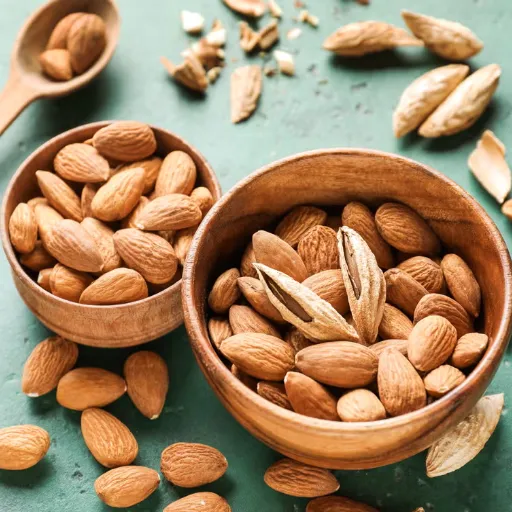
Almond kernels are not just ordinary foodstuffs but can also be described as a staple in many households due to their abundant nutritional properties and ability to be utilized in various ways. Whether you’re seeking recipes to incorporate these nutritious nuts into your meals or exploring their remarkable health benefits, this comprehensive guide covers everything you need to know about almond kernels.
Culinary Innovations with Almond Kernels
Delicious Almond Recipes
Almond kernels are a wonderful culinary item and can be utilised in many different ways in cooking. One traditional choice is to prepare almond butter, which is full of nutrients and is basically a creamy blend of roasted almonds made into a spread. It is great for use as a dip or toast spread and can also be used in smoothies to enhance the flavor and give a milky nutty feel.
Savory Applications
- Almond-Crusted Chicken: Spread crushed almonds over chicken breasts and bake until golden brown and crispy. This works exceptionally well with steamed vegetables or fresh salad.
- Protein-Rich Coating: Use ground almonds as a nutritious alternative to breadcrumbs for various meat and vegetable dishes.
Sweets with almonds are also a treat for those who enjoy them. Cookies, cakes and tarts can be baked with ease as almond flour serves as an excellent gluten-free option. Almond biscotti, a crisp Italian cookie, pairs wonderfully with coffee or tea. Additionally, marzipan—comprising delectable ground almonds with sugar—offers an aromatic and tasty preparation that can be used as ornaments or coatings for cakes.
Ultimately, almond milk, a plant-based beverage, has become increasingly popular. Almond milk can be prepared fairly easily at home by combining water with pre-soaked almonds and then straining the resulting mixture. It is a versatile product that goes beyond use in coffee and may be incorporated in both sweet and savory foods such as soups and sauces.
Creating Almond Milk and Its Uses
Step-by-Step Preparation
- Soak raw almonds in water overnight until they become soft
- Combine the soaked almonds with clean water and blend thoroughly
- Pour the liquid through a nut milk bag, cheesecloth, or fine mesh strainer to separate the liquid from the almond pulp
- Optional: Sweeten or flavor with vanilla extract, honey, or dates for enhanced taste
There are many creative uses for almond kernels in cooking and nutrition. Almond milk may replace dairy in beverages like coffee, tea, and smoothies. Due to its low calorie and minimal fat content, it has numerous applications in both sweet and savory dishes, including soups and sauces. In baked goods, almond milk serves as a suitable substitute for dairy milk, particularly in cakes, muffins, and pancakes for those following non-dairy or lactose-sensitive diets.
| Nutritional Advantages | Benefits |
|---|---|
| Lactose-Free | Ideal for individuals with lactose intolerance |
| No Cholesterol | Supports heart-healthy dietary choices |
| Low Saturated Fat | Beneficial for low-fat diets and specific medical conditions |
| Fortified Options | Many brands provide added calcium and vitamin D for bone health |
Using Almond Flour in Baking
Almond flour is a popular substitute for traditional wheat flour, offering numerous uses for almond kernels in baking. Produced from finely ground almonds, this flour is naturally gluten-free and low in carbohydrates, making it ideal for specialized diets. Rich in protein, healthy fats, and vitamin E, almond flour supports those with specific dietary requirements while delivering superior nutritional value.
Key Considerations When Baking with Almond Flour
- Texture Adjustments: Almond flour creates denser, moister baked goods compared to wheat flour
- Binding Requirements: Due to lack of gluten, additional eggs or binders like xanthan gum may be necessary
- Absorption Rates: Almond flour is more absorbent; consider reducing quantities or combining with other flours like coconut flour
- Recipe Selection: Start with recipes specifically designed for almond flour to avoid disappointment
Popular almond flour recipes include fluffy pancakes, soft brownies, and almond-crusted breads. Through baking with almond flour, you combine exceptional taste with the nutritional benefits of almond kernels.
Health Benefits of Almond Kernels
Essential Nutrients in Almonds
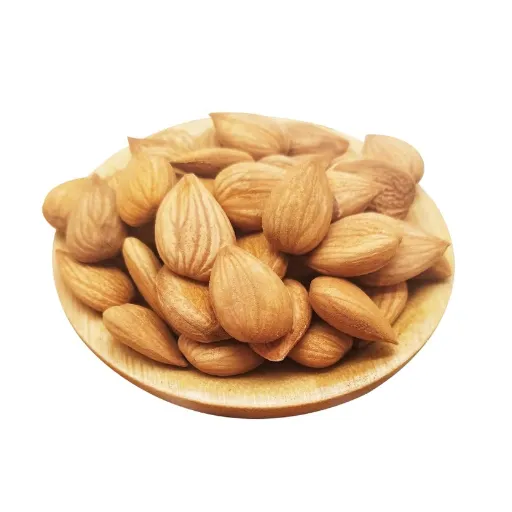
Almond kernels offer far more than culinary versatility—they provide exceptional nutritional value. These nuts contain substantial amounts of healthy monounsaturated fatty acids that promote cardiovascular health by reducing LDL cholesterol while enhancing HDL cholesterol levels.
| Nutrient | Primary Benefits |
|---|---|
| Vitamin E | Powerful antioxidant that protects cells against oxidative stress and supports skin health |
| Magnesium | Relieves muscle spasms, provides energy, stabilizes blood pressure |
| Dietary Fiber | Aids digestive processes and controls appetite by promoting satiety |
| Protein | Essential for muscle building and tissue regeneration |
| Calcium & Phosphorus | Supports bone and muscle function |
| Riboflavin & L-Carnitine | Enhances brain function and memory retention |
Recent research suggests that almonds may help prevent chronic diseases, including type 2 diabetes, through effective blood sugar management. Incorporating almonds into daily meals—whether as snacks or cooking ingredients—can significantly improve overall health and wellbeing.
The Role of Magnesium in Health
Magnesium is an essential mineral involved in over 300 biochemical processes dependent on enzymes. This remarkable nutrient offers numerous scientifically-supported health benefits:
Magnesium Health Benefits
Bone Health
Magnesium contributes to bone formation and maintains bone density. Approximately 50-60% of the body’s magnesium is stored in bones. Studies indicate that adequate magnesium intake can prevent osteoporosis, particularly in elderly individuals.
Blood Pressure Regulation
This mineral ensures blood vessels remain relaxed while facilitating healthy blood pressure. Research shows that individuals with sufficient magnesium intake experience lower rates of hypertension—a major contributor to heart disease.
Muscle and Nervous System Function
Magnesium is essential for muscle contraction and nerve transmission. It regulates calcium and potassium ion balance within tissues, preventing muscle cramps and spasms that occur when muscles cannot properly relax.
Energy Production
Magnesium plays a crucial role in converting food to energy through involvement in carbohydrate and fat metabolism, particularly ATP production.
Blood Sugar Control
Magnesium supports insulin function and blood glucose utilization. Individuals with insufficient magnesium intake who increase consumption of magnesium-rich foods show significant improvements in insulin sensitivity and reduced risk of Type 2 diabetes.
Maintaining adequate magnesium intake through dietary sources such as nuts, seeds, green leafy vegetables, and whole grains is essential. Supplementation may be beneficial when dietary intake proves insufficient.
Antioxidants and Vitamin E in Almonds
Almonds are packed with antioxidants that help combat oxidative stress—a condition detrimental to cells and a major contributor to chronic diseases like heart disease and cancer. Notably, most antioxidants in almonds concentrate in the brown skin, making unpeeled almonds the healthiest option. These compounds neutralize excessive free radicals, reducing inflammation and maintaining cellular health.
Vitamin E Benefits
- One ounce of almonds provides a substantial percentage of daily vitamin E requirements
- Protects cell membranes from free radical damage
- Supports skin hydration and immune system function
- May reduce cognitive degeneration risk
- Associated with lower occurrence of coronary heart disease through LDL oxidation prevention
Scientific research confirms that regular almond consumption positively impacts antioxidant levels and reduces inflammatory markers. The abundant vitamin E and various antioxidants make almonds an excellent supplement for maintaining health and preventing disease development. These benefits can be achieved simply by consuming a handful of almonds daily or incorporating them into meal preparation.
Practical DIY Uses for Almond Kernels
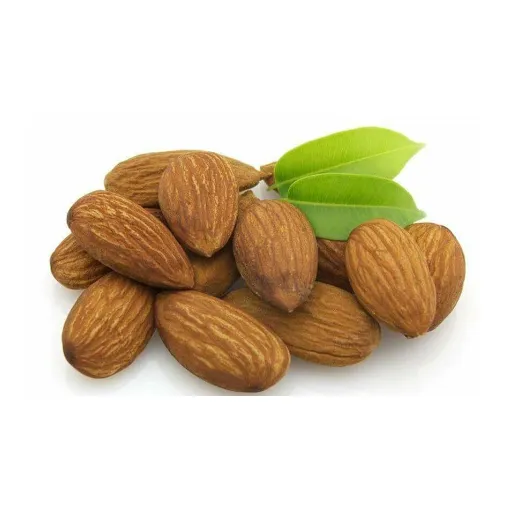
Almond Butter: A Versatile Spread
Almond butter represents a delectable, healthy, and enjoyable food choice. Rich in protein, healthy unsaturated fats, vitamin E, and magnesium, it serves as an excellent alternative to peanut butter. Its compatibility with vegan, ketogenic, and paleo dietary patterns makes it exceptionally versatile. Unlike many spreads, almond butter contains no cholesterol and provides heart-healthy monounsaturated fats that support cholesterol management.
Common Applications
- Spread on whole grain toast or fresh fruit (apples, bananas)
- Blend into smoothies for enhanced nutritional value
- Incorporate into salad dressings and sauces
- Use in baking cookies or energy bars
- Enjoy as a standalone nutritious snack
Homemade Almond Butter Recipe
- Roast almonds to enhance flavor and facilitate blending
- Process in a food processor until desired consistency is achieved
- Add preferred ingredients (salt, sweeteners, flavorings) as desired
- Store in airtight container for optimal freshness
When selecting commercial almond butter, choose products free from added sugars, oils, and unnecessary additives. Organic, unprocessed varieties preserve the nut’s most wholesome state, maximizing nutritional benefits.
Homemade Vegan Cheese from Almonds
Creating almond cheese at home offers a simple yet exciting process that benefits numerous individuals seeking substantial non-dairy alternatives. There exist many uses for soaked almond kernels, including combining them with specific spices and nutritional yeast to create creamy, flavorful cheese alternatives.
Preparation Steps
- Soak raw almonds in water for 8-10 hours or overnight to soften
- Drain and rinse the soaked almonds thoroughly
- Blend almonds with lemon juice, garlic, and nutritional yeast until smooth
- Optional: Add olive oil for enhanced creaminess or agar-agar/tapioca starch for firmer texture
- Mold into desired shape and refrigerate until set
| Usage | Application |
|---|---|
| Spread | Apply to crackers or bread for quick snacks |
| Dip | Serve with vegetables or chips |
| Salad Topping | Grate or crumble over salads for added protein |
| Cooking Ingredient | Incorporate into various recipes as dairy substitute |
Almond-Based Skincare Solutions
Among the many uses for almond kernels, their application in beauty products stands out due to exceptional nutritional properties. Almond oil, rich in vitamin E, antioxidants, and omega-3 fatty acids, ranks among the finest remedies for dry and irritated skin. As a natural emollient, it effectively moisturizes while reducing itching and redness. Almond-based cosmetics provide deep nourishment, helping rejuvenate the dermis—qualities that make them popular in both homemade and commercial preparations.
Skincare Applications
- Eczema and Psoriasis Relief: Natural moisture-giving components soothe inflammatory skin conditions
- Exfoliation: Ground almond scrubs remove dead skin cells, revealing fresh, healthy skin
- Pregnancy Care: Enhances skin elasticity and promotes collagen production, reducing stretch marks and scars
- Under-Eye Treatment: Moisturization and soothing properties address dark circles and puffiness
- Facial Serums: Sweet almond oil moisturizes without clogging pores
- Oxidative Stress Protection: Research indicates effectiveness in minimizing photodamage
Contemporary skincare formulations increasingly incorporate almond-based ingredients, combining them with complementary extracts to deliver comprehensive benefits across various skin types and concerns. Whether used in oils, scrubs, creams, or other forms, almond-containing products remain convenient, environmentally friendly, and consistently effective for maintaining healthy, radiant skin.
Almond Kernels in Snacks and Treats
Healthy Almond Crackers
Healthy almond crackers have gained significant popularity due to increased awareness about nutritious eating. Fashioned from naturally gluten-free, low-carbohydrate almond flour, these crackers provide rich amounts of vitamin E, magnesium, and beneficial fats. Their unique crispness and nuttiness make them ideal snack substitutes, effectively satisfying hunger without compromising dietary goals for those following keto, paleo, or gluten-free lifestyles.
Common Ingredients
- Base: Almond flour provides the foundation
- Binders: Flaxseed meal or chia seeds enhance structure and firmness
- Healthy Fats: Olive oil or coconut oil for texture
- Seasonings: Rosemary, garlic, sea salt, or other flavoring agents
Both flaxseed and chia seeds contribute omega-3 fatty acids, fiber, and protein—essential components for healthy snacking. The almond snack market continues experiencing remarkable growth, with industry analysts predicting substantial expansion in coming years. Manufacturers continually introduce innovative seasoned varieties to attract diverse consumer preferences, meeting the growing demand for convenient, guilt-free snacking options.
Flaked Almonds as a Topping
Almond flakes have rapidly become commonly used ingredients in numerous sweet and savory dishes. Their refined texture and delicate taste make them universally applicable. Flaked almonds dramatically enhance garden salads by adding satisfying crunch and nutritional value. They equally elevate desserts like cakes, tarts, and puddings, improving both presentation and flavor.
| Cuisine | Application | Benefit |
|---|---|---|
| Middle Eastern | Biryani, couscous dishes | Enhances creaminess and texture |
| Indian | Curries, festive dishes | Adds decorative elegance |
| Western | Salads, breakfast bowls | Provides crunch and nutrition |
| Desserts | Cakes, tarts, puddings | Visual appeal and flavor enhancement |
Beyond pleasing the palate and eye, flaked almonds provide exceptional nutrition. Their vitamin E, magnesium, and healthy oil content supports cardiovascular health while combating inflammation. For health-conscious individuals, flaked almonds elegantly synthesize pleasure and wellness.
Decadent Almond Desserts
Almond flakes have become star ingredients in several indulgent desserts, adding texture through gentle crunch and delivering nutty flavor. Their remarkable adaptability makes them essential for sophisticated culinary creations. Almond-rich delicacies like almond pies and frangipane showcase the nut’s inherent flavor through both toppings and fillings.
Signature Almond Desserts
Almond Biscotti
This popular Italian twice-baked cookie achieves perfect crunch-to-flavor ratio. Flaked almonds on top create rich texture that pairs beautifully with coffee or tea.
Baklava
A global delicacy featuring layers of pastry, nuts, and syrup. Flaked almonds enrich the nut mixture, creating molded crispy texture that complements sweet, buttery syrup perfectly.
Multi-Layered Cakes
Flaked almonds serve as elegant edible decorations atop buttercreams or ganache, transforming ordinary desserts into extraordinary presentations.
Pavlova
Light, fluffy meringue desserts traditionally garnished with whipped cream and fresh strawberries. Roasted flaked almonds add sophistication and delightful crispy texture.
Flaked almonds elevate cooking through their appropriate uses for almond kernels, bringing both elegance and simplicity to culinary creations.
Frequently Asked Questions
What are some of the most popular culinary uses for almond kernels?
Raw almond kernels make appetizing standalone snacks or can be transformed into almond butter, almond flour for baked goods like banana bread and cookies, or added to granola and oatmeal for extra crunch. They can be toasted, blended into almond milk, or incorporated into various sweet and savory dishes.
How can I use leftover almond pulp after making homemade almond milk?
Don’t discard almond pulp—blend it into muffins, granola bars, or banana bread for added moisture, protein, and fiber. Alternatively, spread it on a tray and dehydrate until it becomes meal-like, then incorporate into oatmeal, store in the freezer for future baking sessions, or use as a nutritious ingredient in various recipes.
Do almond kernels provide adequate protein and healthy fats?
Yes, almond kernels contain substantial plant-based protein and healthy unsaturated fats, particularly heart-protective monounsaturated fatty acids. Regular consumption of almonds and other nutrient-dense foods instead of saturated fats may provide health advantages including cholesterol reduction and heart disease prevention.
How should blanched almonds and raw almond kernels be stored?
To prolong shelf life, store almond kernels in airtight containers in cool, dark places or refrigerators. For long-term storage, both blanched and raw almonds can be kept in freezers without compromising quality. Ensure containers are properly sealed to maintain freshness and prevent rancidity.
Can almond kernels be used in savory cooking beyond typical applications?
Absolutely. Almond kernels can be crushed and added to roasted vegetables, salads, soups, or pesto. They work excellently as coatings for fish and chicken, can be sprinkled over rice dishes or roasted vegetables, and add sophisticated texture to numerous savory preparations.
What is the procedure for blanching almonds and why is it necessary?
Blanching involves dropping almonds into boiling water for approximately one minute, draining, removing their skins, then drying on a sheet. Skinless almonds are preferred for enhanced baking, almond paste, or marzipan because skins can interfere with color or texture. Blanching also facilitates easier blending for creamy preparations and almond milk.
Should I be concerned about dietary considerations when consuming almond kernels?
Almonds are nutrient-rich, containing manganese, vitamin E, healthy fats, and protein. As energy-dense foods, portion control matters—a small handful provides excellent nutrition. Moderate consumption helps lower cholesterol and cardiovascular disease risk while maintaining appropriate caloric intake. Combine almonds with complementary foods for balanced nutrition.
How can I use almond kernels in baking without waste?
Almond kernels offer numerous baking applications. Grind them into almond flour for cakes, cookies, banana bread, or crusts. Add diced or sliced almonds to dough for enhanced moisture and texture, use as toppings before baking, or incorporate excess almond pulp into cookie batter. Combine with other nuts and seeds to create convenient trail mixes, ensuring zero waste.
References
- Harvard T.H. Chan School of Public Health – Almonds: This resource discusses the nutritional benefits of almonds and their by-products, including the use of shells and hulls for livestock feed and bedding.
- Clemson University – Almond Skins as a Natural Antioxidant: This thesis explores the antioxidant properties of almond skins and their potential applications.
- PubMed Central (PMC) – A Review on Some Properties of Almond: This review highlights various uses of almonds, including their application in milk drinks, confectionery, and as fresh snacks.
- Click here to read more.
Final Thoughts
Almond kernels represent far more than simple nuts—they embody culinary versatility, nutritional excellence, and practical applications spanning from kitchen creations to skincare solutions. Whether you’re baking with almond flour, preparing homemade almond milk, crafting vegan cheese alternatives, or exploring their remarkable health benefits, these nutritional powerhouses offer endless possibilities. By incorporating almond kernels into your daily routine through thoughtful recipes and wellness practices, you unlock their full potential for enhancing both flavor and health. Embrace the diverse uses for almond kernels and discover how these remarkable nuts can transform your culinary experiences and contribute to a healthier, more vibrant lifestyle.