For individuals managing blood pressure, heart health, or following dietary recommendations from healthcare professionals, controlling sodium intake is essential. While cheese is often high in sodium, this doesn’t mean you must eliminate it entirely from your diet. Discover the low-sodium cheese options that can satisfy your cravings while supporting your health goals.
Understanding Sodium in Cheese
What is Sodium and Its Importance
Sodium is a crucial mineral electrolyte essential for human health. It regulates fluid levels, facilitates nerve impulse transmission, and enables muscle contraction. While sodium occurs naturally in many foods, table salt (sodium chloride) is the most common source used in cooking and food preparation.
This mineral plays a vital role in maintaining homeostasis—the body’s state of equilibrium. It helps moderate blood pressure by regulating extracellular fluid levels and ensures proper cellular and tissue function. Additionally, sodium affects nerve signaling, which is critical for heart rhythm, muscle movement, and numerous bodily processes.
Despite its importance, excessive sodium intake can lead to various health complications, including hypertension, heart disease, and kidney problems. The Centers for Disease Control and Prevention (CDC) recommends that individuals consume no more than 2,300 milligrams of sodium daily to avoid these risks. Understanding sodium’s role and limitations is essential for maintaining a healthy, balanced diet.
How Sodium Affects Health
Sodium performs several essential functions, including controlling fluid pressure, promoting nerve impulse conduction, and facilitating muscle movement. It forms a crucial part of the body’s electrolytic network, ensuring cells remain properly hydrated and appropriately charged.
However, excessive dietary sodium can harm health, particularly concerning hypertension. Sodium causes the body to retain water, increasing blood volume in circulation. This creates additional strain on the heart and elevates blood pressure over time. Chronic hypertension is a major reversible risk factor for cardiovascular diseases, including heart attacks, strokes, and kidney damage.
Health organizations like the CDC and American Heart Association recommend consuming less than 2,300 mg of sodium daily, with an ideal target of 1,500 mg/day for most adults. Focusing on whole, unprocessed foods and reducing table salt use helps limit sodium intake. Balancing sodium consumption with adequate potassium intake can also assist in managing blood pressure effectively.
Recommended Sodium Intake for a Low Sodium Diet
The American Heart Association recommends limiting daily sodium intake to less than 2,300 milligrams for a low-sodium diet. Adults seeking optimal heart health should aim for 1,500 milligrams per day. These limits have been shown to support healthy blood pressure values and prevent hypertension-related complications.
Key Strategies for Reducing Sodium:
- Choose whole, minimally processed foods with fresh fruits, vegetables, lean proteins, and whole grains
- Avoid ready-made meals and packaged snacks that often contain excessive sodium
- Read food labels carefully to understand sodium content per serving
- Prepare meals from scratch, using herbs, lemon, and spices instead of salt
- Monitor portion sizes to control overall sodium consumption
Best Low-Sodium Cheese Options
1
Low Sodium Mozzarella Cheese
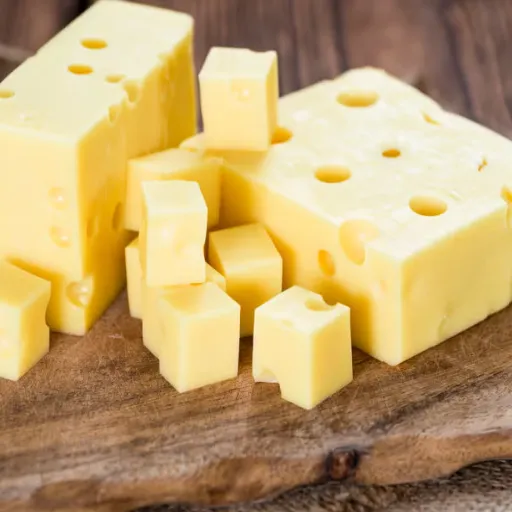
Mozzarella cheese naturally contains less sodium than many other cheese varieties, making it an excellent choice for individuals monitoring sodium intake. Traditional mozzarella typically contains 150-200 mg of sodium per one-ounce serving. However, low-sodium versions offer dramatic reductions, with some containing only 50-100 mg of sodium per ounce.
Nutritional Profile:
- Protein: 6-7 grams per ounce
- Calcium: Essential for bone health
- Vitamin B12: Supports energy production
- Sodium: 50-100 mg in low-sodium varieties
Pro Tip: Fresh mozzarella submerged in water typically contains less sodium than processed mozzarella. Always check nutrition labels for products clearly marked “low sodium” or “reduced sodium.”
Low-sodium mozzarella works beautifully in various dishes including salads, pizzas, and casseroles, making it a versatile option for health-conscious meal planning.
2
Cottage Cheese: A Low Sodium Choice
Cottage cheese stands out for its creamy texture and high protein content, making it particularly appealing to health-conscious individuals. Unlike many cheeses that require significant salt for preservation, low-sodium cottage cheese is manufactured with minimal to no added salt. Regular cottage cheese (approximately 250g serving) can contain 300-900 mg of sodium, while low-sodium versions may contain only 30-100 mg or less, depending on the brand.
Health Benefits:
- Rich in high-quality protein for muscle development
- Contains calcium for bone strength
- Provides phosphorus for energy production
- Excellent source of vitamin B12
- Balanced amino acid profile for tissue repair
Versatile Uses: Combine with fresh vegetables in salads, pair with fruits for a healthy snack, or use as a protein-rich breakfast base. Many brands now clearly label “low sodium” or “no salt added” versions.
3
Goat Cheese: A Tangy Low Sodium Delight
Goat cheese has gained popularity among health-conscious consumers due to its distinctive taste, texture, and notably lower sodium content compared to most cheeses. Fresh goat cheese typically contains 75-100 mg of sodium per ounce, significantly less than aged varieties like feta or cheddar, which often exceed 400 mg per ounce.
Nutritional Advantages:
- High in protein for muscle building
- Rich in calcium and phosphorus for bone health
- Contains vitamin B2 (riboflavin) for energy metabolism
- Features short and medium fatty acids for easier digestion
- Generally easier on the digestive system than cow’s milk cheese
Culinary Applications: The tangy, creamy texture enhances salads, pairs perfectly with roasted vegetables, and serves as a healthy spread for whole-grain sandwiches. Its versatility makes it suitable for various cuisines and cooking styles.
Comparative Analysis of Sodium Content in Popular Cheeses
Swiss Cheese and Its Sodium Levels
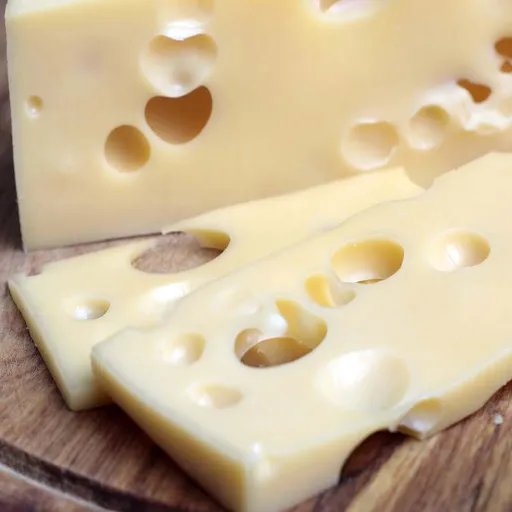
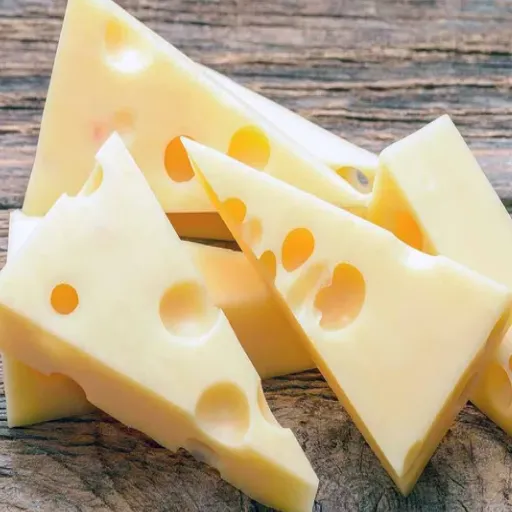
Swiss cheese occupies a distinctive position within the cheese family due to its sweet, slightly nutty flavor and characteristic “eyes” (holes) formed by carbon dioxide production during fermentation. From a nutritional perspective, Swiss cheese offers a moderate sodium profile, containing approximately 50-75 mg per one-ounce (28g) serving, making it suitable for low-sodium diets.
Compared to other varieties like feta or processed cheese products, Swiss cheese contains significantly less sodium due to its traditional manufacturing process, which doesn’t require extensive salting. Additionally, Swiss cheese provides essential nutrients including calcium and protein, supporting cardiovascular health, bone development, and muscle function.
The reduced sodium content makes Swiss cheese an excellent choice for sandwiches, salads, and casseroles, allowing you to enjoy flavorful dishes while maintaining sodium control.
Cheddar Cheese: Is It Low in Sodium?
Cheddar cheese, widely beloved worldwide for its versatility and robust flavor, unfortunately carries a higher sodium content that may concern those on sodium-restricted diets. A standard one-ounce serving of cheddar contains approximately 180-200 milligrams of sodium, varying slightly by brand and manufacturing process.
Sodium plays a crucial role in both cheese preservation and flavor development in traditionally made cheddar. However, advances in food processing have enabled the production of reduced-sodium cheddar varieties containing 25-50% less sodium than regular versions. These alternatives have become increasingly available and provide a practical option for those wanting to enjoy cheddar’s flavor while managing salt intake.
For health-conscious consumers, reading nutrition labels carefully and practicing portion control remain essential when incorporating cheddar cheese into a balanced diet.
Blue Cheese: High in Flavor, High in Sodium?
Blue cheese, prized by dairy enthusiasts for its sharp, complex flavor, presents significant challenges for those monitoring sodium intake. An average one-ounce serving contains approximately 375-500 mg of sodium, depending on variety and brand, making it one of the higher-sodium cheese options.
The high sodium content serves essential functions in blue cheese production, acting as a preservative that prevents bacterial growth while enhancing texture and flavor development. However, excessive consumption of high-sodium foods like blue cheese can contribute to elevated blood pressure, water retention, and cardiovascular concerns. The American dietary guidelines recommend limiting sodium intake to less than 2,300 mg daily for most adults, meaning a single serving of blue cheese represents a significant portion of this allowance.
Despite the sodium concerns, blue cheese offers nutritional benefits when consumed in moderation, including complete proteins, calcium, phosphorus, vitamin A, and B-12. Those who enjoy blue cheese should pair it with low-sodium fresh foods like fruits, vegetables, or whole grains to balance overall sodium intake while savoring the cheese’s unique characteristics.
Choosing the Right Low Sodium Cheese
Reading Nutrition Labels for Sodium Content
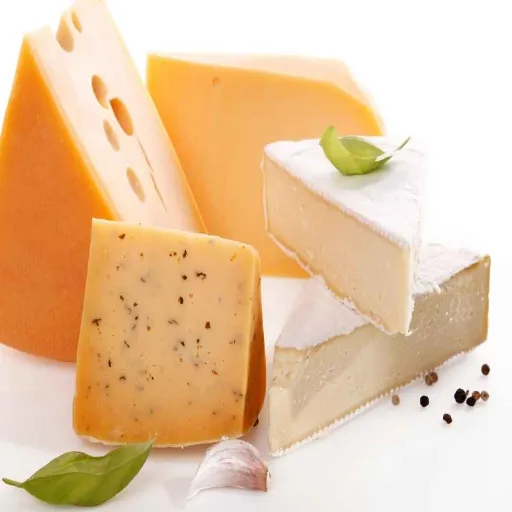
Understanding how to read and interpret nutrition labels is essential when selecting low-sodium cheese. Sodium content is typically listed per serving size in milligrams (mg). According to standard nutritional guidelines, foods containing up to 140 mg of sodium per serving are considered low-sodium, while those exceeding 400 mg per serving are high in sodium.
Understanding Percent Daily Value (%DV):
- Low Sodium: 5% DV or less per serving
- High Sodium: 20% DV or more per serving
- Based On: 2,300 mg daily sodium allowance for most adults
Quick Comparison:
• Regular Cheddar (1 oz): ~180 mg sodium
• Processed American Cheese (1 oz): >400 mg sodium
Look for products with simple, clean labels featuring fewer ingredients and minimal salt, preservatives, or stabilizers. Pay attention to serving sizes, as larger portions can quickly increase sodium intake beyond recommended limits.
Tips for Incorporating Low Sodium Cheese into Your Diet
1. Partner With Fresh Vegetables
Combine naturally low-sodium cheeses such as cottage or cream cheese with vegetables like cucumbers, tomatoes, or bell peppers. These pairings not only enhance flavors but also add essential vitamins and minerals to your diet.
2. Include Herbs and Spices
Since low-sodium cheese often has milder flavor, enhance dishes with herbs and spices like basil, oregano, black pepper, and paprika. This approach avoids extra salt while amplifying taste profiles.
3. Build Up Meals
Use low-sodium cheeses as meal components. Spread cream cheese on whole-grain bread with avocado, or create protein-rich quinoa salads with cottage cheese for satisfying, nutritious dishes.
4. Smart Substitutions
Replace higher-sodium cheeses with lower-sodium alternatives in recipes. For example, substitute fresh mozzarella for parmesan in pasta or soups to reduce sodium while maintaining richness and flavor.
5. Monitor Portion Sizes
Even low-sodium cheese should be consumed in appropriate portions. Large servings can quickly increase overall sodium intake, undermining your dietary goals. Practice mindful portioning for optimal results.
6. Observe the Labels
Always check nutrition labels when purchasing cheese. Look for products with minimal sodium per serving and choose high-quality options that meet your specific dietary requirements and health goals.
By implementing these strategies, you can enjoy flavorful cheese while effectively managing sodium intake and supporting your overall health objectives.
References
- Selecting Cheese for Health – A guide from Penn State Extension discussing low-sodium cheese options and their health benefits.
- Cheese – The Nutrition Source – Harvard’s Nutrition Source highlights low-sodium cheese varieties like goat cheese, mozzarella, and Swiss.
- The Reduction of Salt in Different Cheese Categories – A research article on sodium reduction in various cheese types, available on PubMed Central.
- Low-Sodium Cheddar and Mozzarella Cheeses – A study on the production and characteristics of low-sodium cheddar and mozzarella cheeses.
- Click here to read more.
Frequently Asked Questions
Q: Which type of cheese has low salt content and is recommended for low-sodium diets?
A: Among various cheese types, ricotta, cottage cheese, and farmer’s cheese contain low amounts of sodium. Fresh cheeses like ricotta and cottage cheese typically have reduced sodium per serving compared to aged varieties, making them excellent choices for individuals on low-sodium diets. Look for products labeled “low sodium” or “no salt added.”
Q: On average, how much sodium is present in an ounce of low-salt cheeses?
A: Plain ricotta or fresh cottage cheese typically contains less than 50 mg of sodium per ounce. However, regular cottage cheese can contain more, so always check packaging for “low sodium” or “no sodium added” labels. Understanding the labeled sodium content per serving helps make informed dietary choices.
Q: Do cheese curds and farmer’s cheese contain less sodium than aged cheeses?
A: Yes, cheese curds and farmer’s cheese generally contain less salt than aged, hard cheeses. Aging concentrates salt content through moisture reduction, while fresh cheese curds have minimal salt, making them excellent lower-sodium options.
Q: Is mascarpone cheese low in salt?
A: Fresh cream cheese like mascarpone is typically lower in salt than many aged cheeses. However, it’s not entirely sodium-free, so checking nutrition facts for specific sodium content is important. While it can serve as a lower-sodium option, individual products vary.
Q: How can I identify low-salt cheese options?
A: Look for labels indicating “low sodium,” “reduced sodium,” or “no salt added.” Check the mg of sodium per ounce or serving and compare to your daily sodium target. Fresh cheeses like ricotta, low-sodium cottage cheese, and farmer’s cheese are generally safer choices for low-sodium diet plans.
Q: Should I use no-sodium-added cottage cheese to avoid high salt intake?
A: Regular cottage cheese typically contains moderate sodium levels. For maximum sodium reduction, choose no-sodium-added or low-sodium labeled alternatives. Different brands vary in sodium content per ounce, so selecting specific low-sodium varieties helps effectively manage salt intake.
Q: Can specialty cheese shops help me find low-salt cheese options?
A: Yes, specialty cheese shops often carry lower-sodium options like fresh ricotta, cheese curds, and farmer’s cheese. Staff can provide sodium reduction advice and help you identify products with the lowest mg of sodium per ounce to suit your dietary needs.