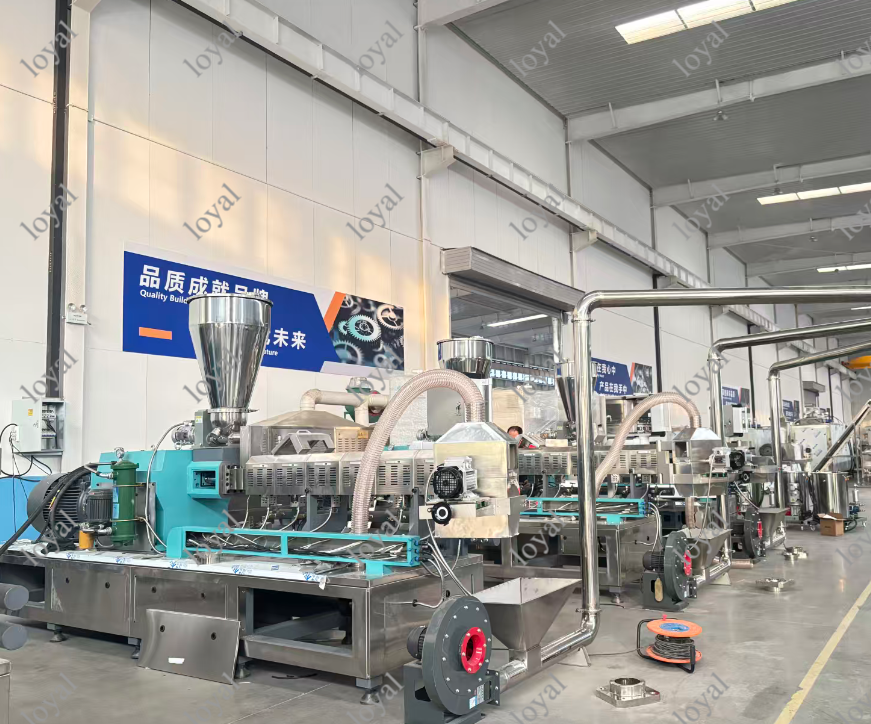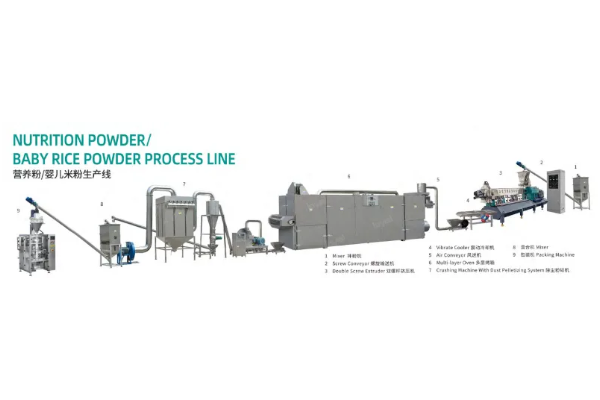
A cereal extrusion line brings several factory decisions together, from ingredient handling to the powder that leaves the processing area. LOYAL’s equipment application at MTA in Burkina Faso shows why this machinery should be discussed as part of a complete food manufacturing project.
The factory story begins with an entrepreneur and a product intended for the local market. For another manufacturer, the next step is practical. The equipment must fit the building, the ingredients, the intended output and the people who will run it each day.
Key takeaways
- LOYAL supplied the extrusion equipment for MTA’s cereal powder application.
- The process connects cereal preparation with cooking, drying, milling and final handling.
- Factory layout and utilities should be reviewed alongside equipment selection.
- Operator training needs a clear scope and practical handover records.
- Acceptance should use the agreed recipe and a defined finished product specification.
The cereal extrusion line as part of a working food enterprise
The documentary detail that connects the machinery to LOYAL
The supplied project material includes a close view of a control panel carrying SHANDONG LOYAL INDUSTRIAL CO., LTD. Above the instruments, the panel is identified as Continuous Drying Equipment. The RTB logo is visible within the broadcast screenshot. This gives the case a visible manufacturer connection at a specific processing stage.
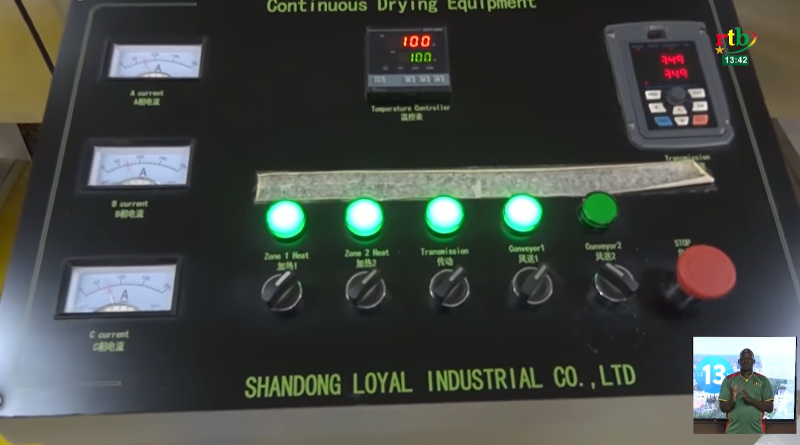
Manufacturer name and equipment identification visible in the supplied RTB screenshot. The dryer is part of the documented cereal powder processing setting.
A cereal extrusion line producing powder contains several linked operations, and the drying stage is one of them. The panel labels show heating, transmission and conveying controls associated with that machine. These details help readers understand that the application includes downstream material treatment as well as extrusion.
For a factory manager, this matters because the production route extends beyond the central machine. Material must be fed, cooked, transferred, dried and converted into the required powder form. A cereal extrusion line proposal should show how those operations connect within the available workshop.
A founder developing a local manufacturing operation
The entrepreneur behind the MTA story is Ingue ITEKA. Local reporting identifies her role in establishing the factory, while VOA’s October 2024 introduction describes the founder’s background as a former Burundian refugee settled in Burkina Faso. The enterprise’s objective is to produce enriched flour for children facing difficult nutritional conditions. VOA factory story.
The cereal extrusion line application belongs within that manufacturing effort. It provides the machinery route for processing cereal-based ingredients, while the enterprise organizes the finished food business. Product development, local ingredient supply and daily factory operation meet at the equipment interfaces.
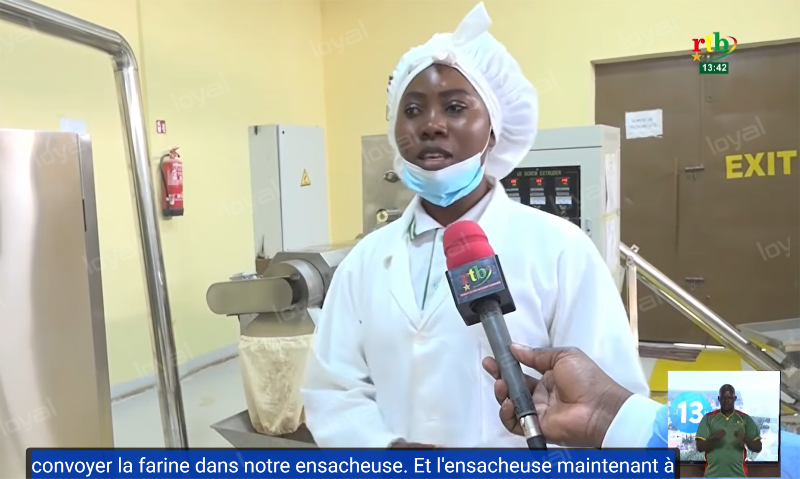
Supplied RTB factory interview screenshot. The production setting is part of the customer application record.
Local ingredients create specific engineering duties
The MTA enterprise profile identifies maize, millet, soy and sesame across its flour ranges. For a cereal extrusion line, such ingredients need to be considered in the form in which they enter production. Whole grain preparation, flour mixing and final ingredient blending serve different purposes in the system.
The first equipment question is therefore about the feed material. Its preparation condition influences what is required before extrusion. The next question concerns the desired cereal base after cooking and the drying and milling duties that follow.
This is where an integrated process drawing is helpful. It shows which machine prepares the blend, how material reaches the extruder and how downstream machines receive it. A cereal extrusion line layout can then be reviewed against actual material movement through the building.
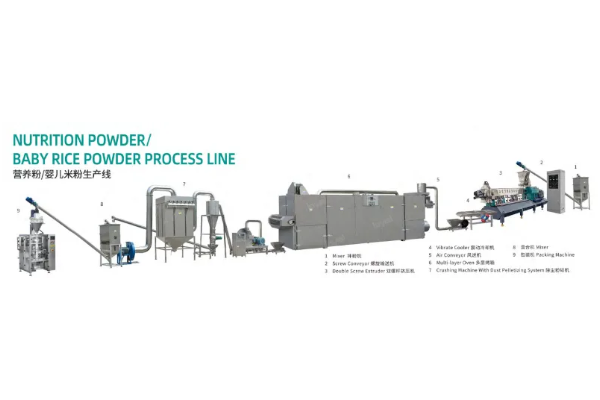
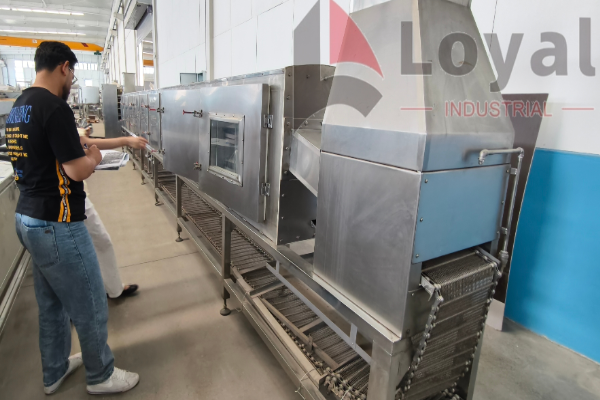
General LOYAL equipment illustration supplied with the source documents. Use it to understand the process sequence; the final MTA installation layout is a separate project document.
The drying stage links equipment selection with operating work
The visible dryer panel offers a useful way to discuss production responsibilities. Someone must understand which controls belong to heating and which manage material movement. The operating team also needs an agreed sequence for feeding, monitoring and shutdown.
A cereal extrusion line handover can organize those duties around the process route. The supplier explains the equipment functions and the buyer identifies the staff responsible for each step. Keeping the approved instructions with the machinery records gives the team a practical reference after commissioning.
The photographed panel is one captured view of that operating system. Its value is the clear equipment and manufacturer identification. The broader project brief still needs the machinery schedule, layout and documented operating requirements.
The lesson for another factory project
The MTA case connects a named customer, a cereal food application and visible LOYAL equipment. That connection makes the cereal extrusion line easier to discuss as an industrial project. A buyer can move from the reference case to questions about their own ingredients, workshop and production team.
The technical work then becomes specific. Define the required food, map each processing step, establish the interfaces and prepare the people who will operate them. The cereal extrusion line is the equipment framework through which those decisions are put into practice.
A cereal extrusion line within a local food business
The MTA setting
MTA is based in Ouagadougou and is led by Ingue ITEKA. Its factory inauguration received local coverage in September 2024, linking the enterprise with agricultural processing and employment opportunities. Read the local project report.
The founder’s story gives the equipment a clear purpose. A food business needs a repeatable route from incoming materials to a product that its customers can prepare. A cereal extrusion line provides the machinery framework for that route when extrusion is selected as the processing method.
We supplied the nutritional powder extrusion equipment for this application. Buyers can explore the related baby food production line to understand the category and prepare questions for a technical discussion.
Watch the local factory story
RTB’s official video introduces MTA and Ingue Itéka. It offers a direct view into the setting behind the case and provides another source for readers interested in the enterprise. The equipment discussion below focuses on the decisions a prospective buyer needs to make.

If you are planning a cereal extrusion line, contact LOYAL for technical support. Share the intended food, ingredient list and workshop information. Those inputs help establish the scope of the first equipment review.
How a cereal extrusion line becomes a powder process
The role of the extruder
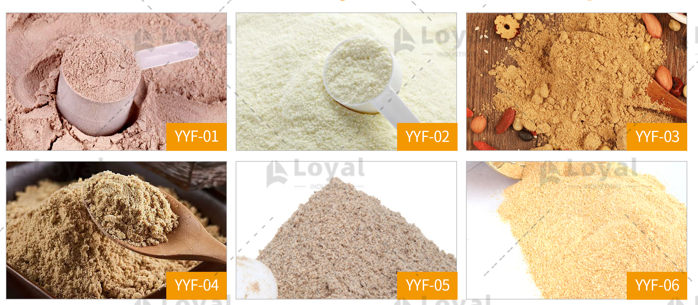
The extruder sits between ingredient preparation and downstream processing. It processes the prepared mixture under controlled conditions, producing cooked material that can be dried and milled. The required settings and configuration depend on the recipe and the characteristics wanted in the finished product.
A cereal extrusion line should therefore be reviewed against a product brief. State the grain blend, the intended preparation method and the powder properties the buyer will assess. A representative sample helps the technical team understand the target more clearly.
GAIN’s manufacturing manual describes extrusion followed by grinding as a route to cooked cereal flour. This is useful background for understanding why a powder process includes both cooking machinery and a mill. GAIN complementary foods manufacturing manual.
The downstream machines
For a cereal extrusion line producing powder, drying and milling need to suit the material coming from extrusion. Ask how the dryer will receive the product and what condition it must achieve before milling. The supplier should explain the transfer between those stages in the proposed process layout.
The milling and collection arrangement should also match the desired powder specification. Discuss the target texture, the assessment method and the handling after grinding. Final blending or packing interfaces then follow the needs of the product and the agreed machinery scope.
The process can be shown simply as ingredient preparation, mixing, feeding, extrusion, drying, cooling, milling and final handling. Some projects require additional upstream or downstream stages. A cereal extrusion line quotation should show those boundaries so the buyer can coordinate the full factory.
The material record
Keep a description of the ingredients used during equipment discussions and trials. It should identify the material supplier, preparation condition and recipe version. If the commercial formula changes, the technical team then has a clear starting point for reviewing the change.
Our guide to how baby food is processed provides broader product-processing background. For a cereal flour application, use the sections relevant to your actual product and confirm the final sequence with the process team. The factory brief should remain tied to the intended food.
Build the factory brief before fixing the layout
Begin with the building
A cereal extrusion line needs a practical arrangement within the available workshop. Supply building dimensions, access points and any fixed structures early in the discussion. Include the intended locations of raw material storage and finished goods so the material route can be reviewed.
The layout should allow people to operate, clean and maintain the machinery. Ask how the operator reaches inspection points and where parts are removed during maintenance. Review movement through the workshop with the production team before approving the drawing.
For an existing building, photographs and a measured sketch can help explain the space. The approved drawing should still state the dimensions used for planning. This gives the equipment supplier and local contractor the same reference.
Add utilities and site responsibilities
When a cereal extrusion line is planned for an existing workshop, mark the route from the unloading point to the final equipment positions. Review door openings, turning space and the sequence in which assemblies will be placed. These details should be checked with the supplier’s installation information before delivery is scheduled.
The buyer can also prepare a simple responsibility sheet for each connection. It should identify who supplies the service, who installs the connection and who checks it before startup. Keep the sheet with the approved layout so that site questions are resolved against the same equipment version.
The cereal extrusion line utility schedule should reflect the proposed equipment configuration. Confirm the available electrical supply, drying heat source and any services required by the selected machinery. Share actual site conditions with the supplier so these inputs are part of the technical review.
Identify who will prepare foundations, electrical connections, ventilation and any other local works specified in the installation plan. Written responsibilities help the buyer coordinate the builder and machinery team. The project schedule can then show what must be ready before installation begins.
Grain preparation within MTA’s equipment scope
The MTA project included front-end grain preparation alongside the cereal extrusion line. Our technical discussions addressed the customer’s ingredients and factory requirements, so upstream handling belonged within the machinery solution from the project-planning stage.
The extrusion route then connected mixing and feeding with cooking, drying, milling and final blending. This gave the cereal extrusion line a clear relationship with the material entering production and the powder leaving the process. The equipment illustration and supplied process description show those connections within the complete system.
Prepare the operating team for handover
Make training practical
A cereal extrusion line handover should explain how the machinery is operated in the buyer’s intended process. Agree what will be demonstrated during startup, normal production, shutdown and cleaning. The buyer should identify the people responsible for production and routine maintenance.
Training discussions should also cover the language of the instructions and the records operators will use. Ask how settings, recipe identification and material batches will be documented. Clear records support a useful technical conversation when the team needs help later.
Our company introduction gives buyers a route to learn about LOYAL and its machinery offering. For each order, installation and training responsibilities should be set out in the proposal and contract. That keeps the service scope understandable to both project teams.
Organize the startup documents
Before a cereal extrusion line arrives, prepare a folder for the approved layout, machinery schedule and utility information. Add the operating and maintenance documents provided with the equipment. The receiving team can use this information to organize checks and follow the agreed installation plan.
Keep a list of technical questions raised during commissioning. Record the response and any change to the approved settings or documents. This creates a working reference for operators who join the team after the initial handover.
Spare parts and wear items belong in the discussion as well. Ask which items are recommended for local stock and how they should be identified when ordering. The maintenance team should understand the route for technical support and replacement parts.
Connect training with acceptance
For MTA, the cereal extrusion line handover included engineering work at the customer’s site in Ouagadougou. Our engineers supported positioning, assembly, connections, electrical debugging and trial production with the local team.
The supplied project account also describes practical instruction in operation and maintenance. That service connected the cereal extrusion line controls and equipment duties with daily factory work. Operators received guidance on workflows and routine troubleshooting, while the local team participated in bringing the system into production.
Questions from food manufacturing project teams
Can a cereal extrusion line use local grain?
The intended grain and preparation condition should be included in the equipment brief. LOYAL can discuss the configuration around the proposed product and material samples. Representative trials help establish how the route should be specified for the buyer’s application.
How should we define required output?
State whether the target refers to incoming material or finished powder and identify the planned working schedule. The cereal extrusion line proposal should use the same basis throughout the equipment schedule. Include the formula and relevant product conditions in that definition.
Does a project video establish the machine specification?
A factory video provides context and an application reference. The purchase specification comes from the agreed machinery list, technical documents and acceptance plan. Use the video to begin the discussion, then develop your own requirements with the supplier.
What should the product team contribute?
MTA’s public profile identifies separate nutritional flour ranges, illustrating why a factory may need more than one product brief. A buyer preparing a cereal extrusion line project should describe each intended recipe family and the preparation instructions used to assess it. The product team can then choose representative samples for the technical review.
Provide the formulation, intended consumer preparation and sample assessment requirements. Explain which properties matter to the finished product. This helps the engineering team connect machinery choices with the product target.
Can a production plan include more than one recipe?
Yes, the proposed product range can be discussed during selection. A cereal extrusion line should be reviewed against those intended recipes and their handling requirements. Ask how recipe changes affect trials, cleaning, settings and the downstream machines.
When should local contractors join the discussion?
Bring them in when the workshop layout and utility requirements are being developed. Their input helps connect the equipment drawing with building work and available services. Keep approved revisions available to everyone responsible for site preparation.
Start a factory planning discussion with LOYAL
The MTA application shows how an equipment project connects with a local food business. Its value for a new investor lies in the questions it helps organize. Ingredients, machinery, workshop requirements and operator preparation all need a place in the project plan.
Start with a description of the food you want to make and the materials you can obtain. Add the intended output, available building dimensions and utility information. A short, accurate brief gives the technical team a useful basis for discussion.
Bring your cereal extrusion line requirements to LOYAL’s technical support team. We can discuss the process route and the equipment information needed for a proposal. A cereal extrusion line project becomes easier to evaluate when the product target, machinery boundary and handover responsibilities are written down together.